World Mosquito Day (Podcast)

World Mosquito Day (Podcast)

Today, 20th of August 2020, it is World Mosquito Day. A special day for Care Plus® and in ‘honor’ of this day we launch our fourth podcast. It is a very lively and inspiring podcast hosted by Arnoud Aalbersberg and with our guest Bart Knols (vector biologist). He has over 30 years of experience and doing specifically research on mosquitos, Malaria and Dengue. Therefore he is our go to person to talk about the latest status and his experience in the field. It is a refreshing interview about the deadliest animal of the world.

The podcast starts with Malaria and later on more local issues related to mosquitos are discussed.

Also available via Apple Podcasts

How to bring Malaria to zero cases?

With over 120 years of research, still one of the key questions remains how to dismiss Malaria.

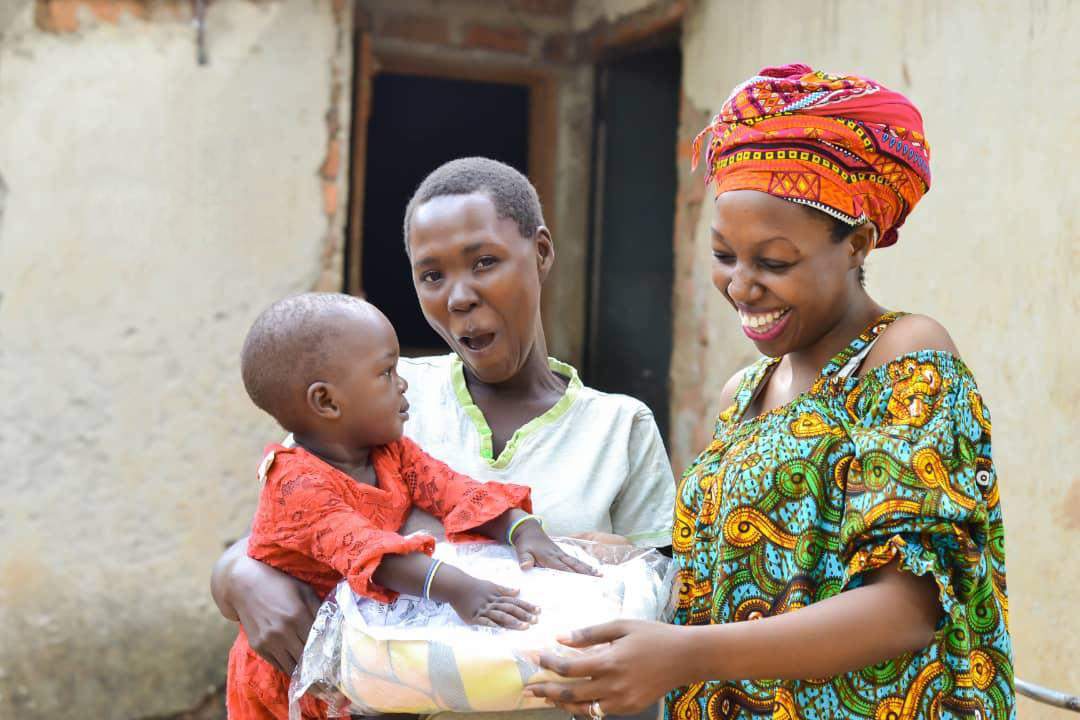
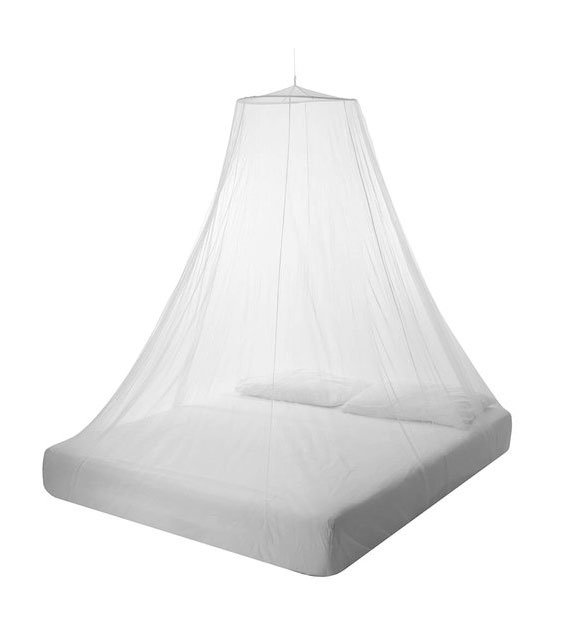
It is a fact that a bednet (mosquito net) is still the primary tool in controlling Malaria around the world. Such an easy item that enables to protect and save so many lives of (young) kids and adults. In order to keep the bednet as an important prevention tool, two steps have to be taken:

  1. Make sure people have access to the impregnated nets and replace the impregnated nets after they have been used for 3 years
  2. Make sure people are using the net correctly without using the net for other purposes

Covid-19 and Malaria

In the interview the link between Malaria and Covid-19 arises a couple of times. For example, in case of a drop in Malaria cases and less immediate visibility of the consequences of the disease, people start acting less out of precautions and prevention. Comparable behavior can be currently seen with Covid-19. With decreased risk, attention to this serious issue is lost as well, risking a revival that could have been prevented with a continuous attention and prevention.

Moreover, reflections on the “it is not in my backyard” proposition are addressed, discussing questions on what we can do in Europe and how to join efforts to help African countries with still many (child) deaths due to Malaria.
Will for instance a vaccine help to eradicate Malaria?

The rise of the Tiger Mosquito in Europe and the Netherlands

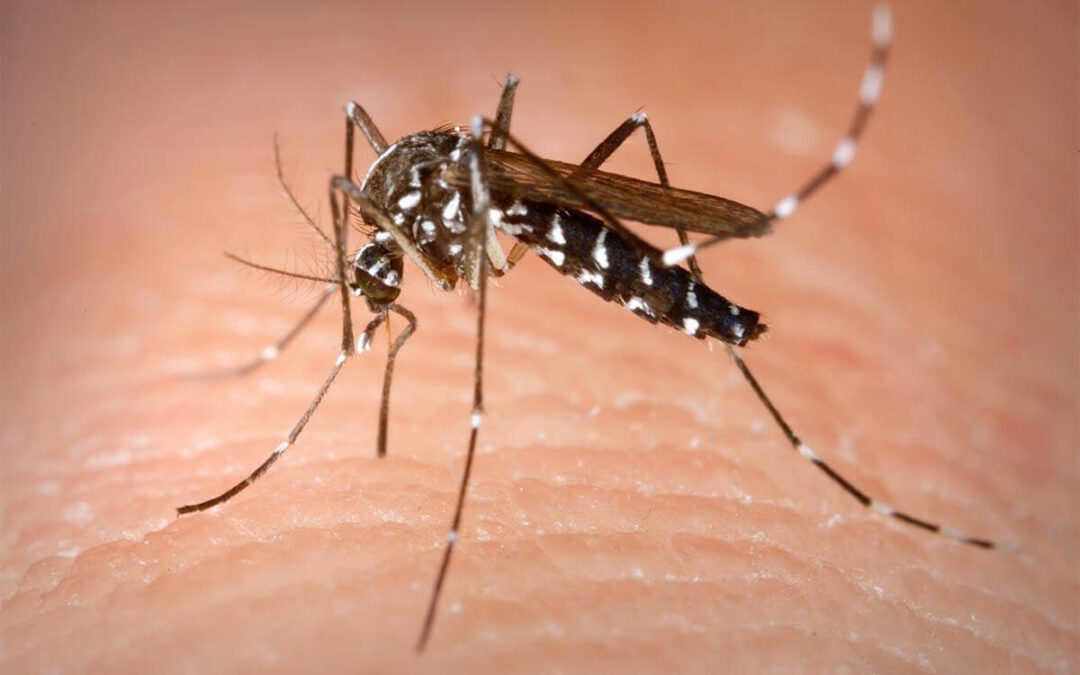
More locally other developments are coming up around mosquitos. Last year the Tiger mosquito was found in the Netherlands. Bart and Arnoud discuss 3 pathways how these mosquitos end up inour backyard.

  1. Via transportation of used tires from airplanes, trucks etc that are refurbished and re-used in Europe.
  2. Via import of smaller plants, like Lucky bamboo plants.
  3. Via people carrying mosquitos accidentally in their caravan, camper of car after their holiday in Southern Europe.

The Tiger Mosquito is extremely powerful in transmitting diseases. In France, the Tiger Mosquito is already a serious issue and as soon as there is an established population of these mosquitoes it is only a matter of time before we will also have local issues with transmittable diseases, like Zika-Virus, Dengue or West-Nile virus. Risk is that there are no vaccins or medicines available for these diseases yet.

Prevention Products

Bart and Arnoud talk about the things we could do to prevent us from getting bitten. For example, think of avoiding water puddles around the house. It sounds so simple, but keep in mind it is not only a big can of water but also small trash, like a beer bottle or plastic around the house that can contain water. It sounds logic, but it is actually hard to educate people about the importance of eliminating these puddles.

Additionally, the two men also discuss new products currently on the market. Vitamines, buttons, Apps and many more. Listen how Bart & Arnoud think about this.

A lot is evolving and Arnoud and Bart have so much knowledge and expertise about mosquitos to share!
Want to know more?


Go listen/watch, Enjoy!
Want to know more about what we are doing with Care Plus®?

Growing number of registered tick bites (Podcast)

Growing number of registered tick bites (Podcast)

Last week it was National Tick week in the Netherlands. We took this opportunity to highlight and share our knowledge around (prevention of) ticks. Care Plus® has close to 28 years of expertise in safe travels & great stories (our mission!). Since 1997 we have been putting out specific content and products to prevent tick bites and to remove ticks safely and quickly.

In our Travel Health Podcast no.3 we are talking about the growth of the tick-population and why that is. We also talk about some persistent myths regarding ticks and moreover create more awareness for the prevention of tick bites.

We have two experts in the field of tick research and tick prevention to join our “tick-talk”

Fedor Gassner: ”I’m an independent expert in biological hazards and risks at (and owner of) Gassner Biological Risk Consultancy since 2015. My core business is to support private and government organisations in dealing with and controlling biological risks. I will continue to apply my expertise on the ecology and prevention of tick bites and Lyme borreliosis. Knowing all about biological hazards such as tick bites is one thing, but transferring such knowledge to relevant stakeholders and making sure they are motivated and equipped to apply this knowledge is what I stand for.”

Steve Schofield: “I am the Senior Advisor of Pest Management and Entomology for the Directorate of Force Health Protection within the Canadian Forces Health Services. I specialize in the field of mosquito and tick protection. Main focus is permethrin impregnated clothing for the Canadian Military.”

Myths about ticks

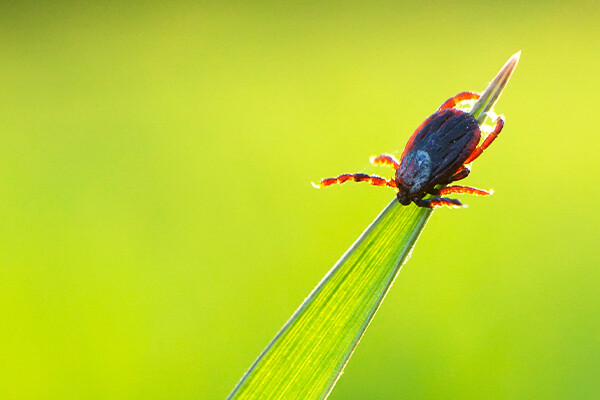
There are quite a few persistent myths about ticks buzzing around. One of the persistent stories people tell each other is that ticks fall from (oak)trees onto people. The source of this myth is unknown, but our experts emphasize that the habitat of ticks is close to the ground, in bushes, rubble, forest soil (shady and moist) and on taller grass helms where they wait for mammals to pass by. It is very unlikely that ticks, as small as they are (1mm), want to spend their energy climbing trees!


30% increase of registered tick bites

In June 2020 the Dutch National Institute for Public Health and the Environment (RIVM) shared some numbers on registered tick bites (1.500.000!) and infected people (> 20.000)1. There was an increase of 30% in tick bites from 2010 to 2017 in the Netherlands. Main reason for the increase of bites is the increase of deer population in the Netherlands and the dense population.


Lyme disease and tick-borne encephalitis (TBE)

Ticks may carry the borrelia bacteria and/or the TBE virus. It is really important to always be aware of ticks when you go outside in tick season (March untill October) and remove them from your body as soon as possible! Other folk wisdom is that ticks can be removed with alcohol, matches or soap. That is however dangerous as a tick can dispose its stomach content into the bloodstream and transfer harmful diseases in this way. We advice you to use the a quality tick remover.

Learn more about ticks and the importance of tick bite prevention in our third podcast hosted by Arnoud Aalbersberg.

Enjoy!
 

1) Numbers are from RIVM

You can listen and subscribe to the podcast with Anchor: Anchor and Apple

Will traveling change for good after Covid-19? (Podcast)

Will traveling change for good after Covid-19? (Podcast)

Will traveling change for good after Covid-19?

Care Plus® has been a market leader in safe and healthy travelling for over 28 years. We believe in “ safe travels, great stories” so little do we need to explain we are intrigued by the current situation and how travelling will be influenced in the upcoming months with the current circumstances that we are living in. In what way can we reimagine what tourism will look like post COVID-19?

We therefor created a new episode in our Travel Health series dedicated to this topic and with the help of our guests we get more insights on the trends and developments in this area and different scenario’s possible.

A week prior to our podcast, we did a poll on our social media to get the opinion of our followers on the following: “Will travelling change for good after Covid-19 ?”

86% of our audience said ‘yes’ and 14 % said ‘no’. We would like you to invite you to listen to our podcast with our guests to get more insights on this matter. To start off we will be talking with Isabel Mosk who will give more insights on domestic travelling for the Netherlands post Corona. The second guest is Larry Goodyer, a professor of Pharmacy Practice & travel Health Expert over 35 years. Last, but not least, Anna Pollock will share her insights on sustainable travel.

Also available via Anchor and Apple

Accidents happen, even at home

Accidents happen, even at home

AIf we are to believe the media, many more Dutch people will be going on holiday in their own country this year. And why not? The Netherlands has a lot to offer for young and old, and going on holiday closer to home has its advantages. Just think of the savings in time and money. And if the weather cooperates, nothing will stand in the way of a nice summer holiday, right?
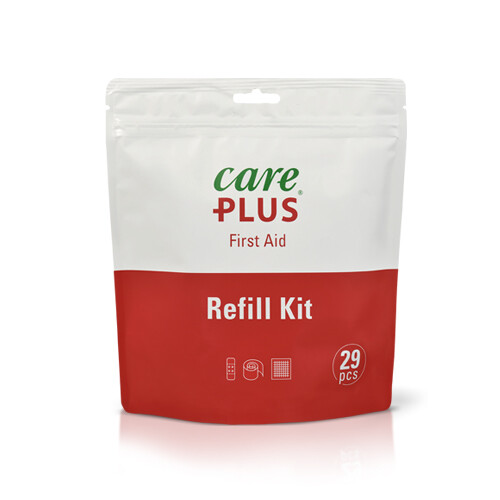
Care Plus First Aid-set refill
The recognisable First Aid Kits from Care Plus®.

Protection and first aid

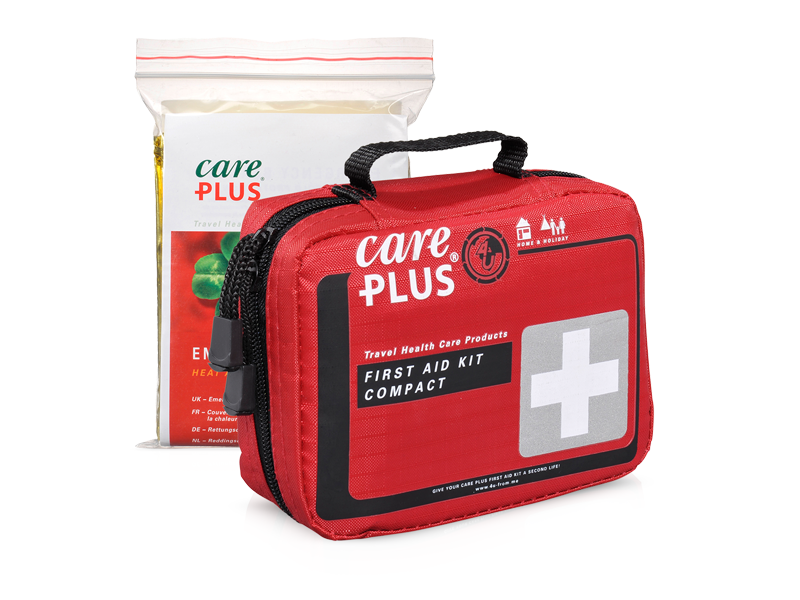
Care Plus® is mainly known for our protective products. For example, insect repellents and mosquito nets. But we have also been carrying an extensive line of comprehensive first aid kits for years, which can be of use to any type of traveller at unfortunate moments. For more than 25 years, we have been carefully putting together first aid kits for at home and travel. We always ensure that we develop the most effective and responsible products and tools. Each Care Plus® First Aid Kit has been carefully composed in collaboration with expedition physicians.

These kits are comprehensive and compact, so you can always take one with you in a suitcase or backpack. They are also ideal for in and around the house, caravan or boat. Accidents happen, even close to home.

Supplement existing kit

Our kits contain a wide variety of tools, some of which are used more widely than others. To ensure that you can use your kit for longer, we now have refill kits to supplement your existing first aid kit. Very handy, and you can be sure that you are never without essential tools at unexpected moments.


Advantages

  • First aid supplies to supplement your Care Plus® First Aid Kit
  • Easy to store in a bag or backpack
  • Water-resistant resealable pouch
  • Lightweight
Care Plus First Aid-set refill
Met de EHBO refill set vul je je bestaande set weer aan.
Care Plus First Aid-set sterile

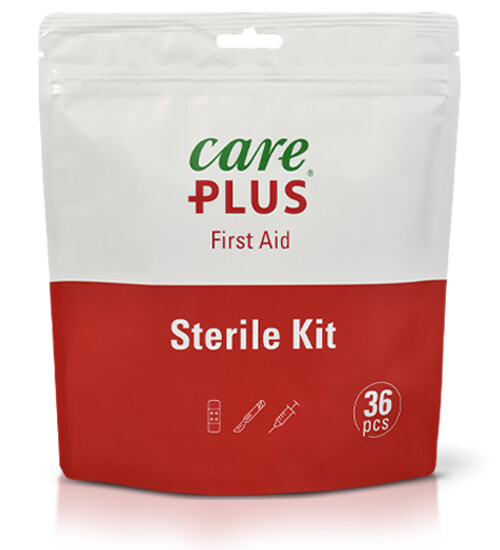
Also new: the Care Plus® First Aid Sterile Kit

The First Aid Pouch Sterile is suitable for 1 or 2 persons and contains 57 items. The contents are optimised for destinations with poor hygiene conditions and for long-distance journeys with limited or hard-to-reach medical facilities. The First Aid Pouch Sterile contains various sterile supplies and a doctor’s statement.

Insect repellent to protect against corona?

Insect repellent to protect against corona?

During the past days, some interesting news came out of the United Kingdom. In Great Britain, an insect repellent containing the active ingredient Citriodiol® is used by the military as added protection against the Coronavirus / Covid-19 virus. Huh? What? Very interesting news indeed. The links to various (major) British newspapers can be found in this message.

Citriodiol® to protect against the coronavirus?

It is an ‘additional layer of protection’, writes the Daily Telegraph. The ingredient Citriodiol® is said to have helped prevent other strains of coronavirus. Sky, The Sun and The Guardian also reported on this potential form of protection.

Possible anti-viral effect

Citriodiol® is the registered brand name of a formulation containing lemon eucalyptus extracts. In addition to the familiar ingredient DEET, this active substance is very effective in repelling ticks and mosquitoes.

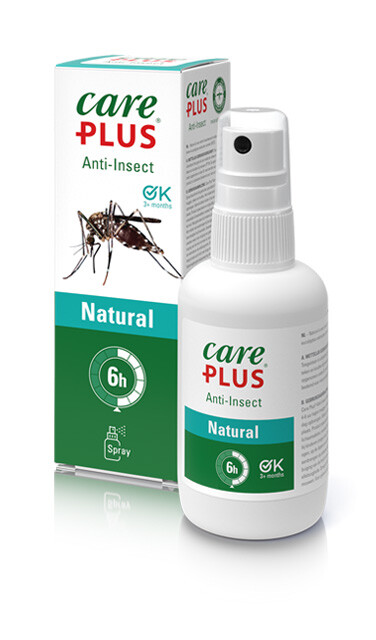
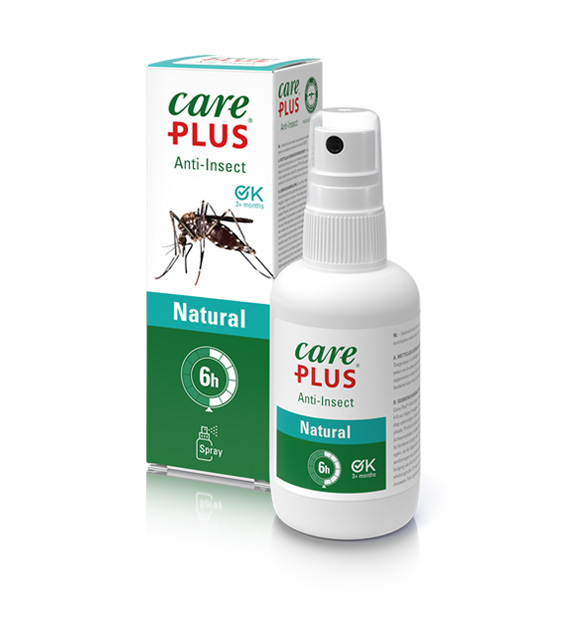
Care Plus Anti-Insect Natural contains 30% Citriodiol® and has been available since 1994 in outdoor sports shops, pharmacies and good drugstores as natural protection against stinging and biting insects, such as mosquitoes and ticks. At Care Plus®, we keep a close eye on developments regarding the anti-viral effect of Citriodiol®. It could be an interesting addition to hand sanitisers and surface cleaners.

Anti-Insect Natural with Citriodiol

Citriodiol® is purely natural

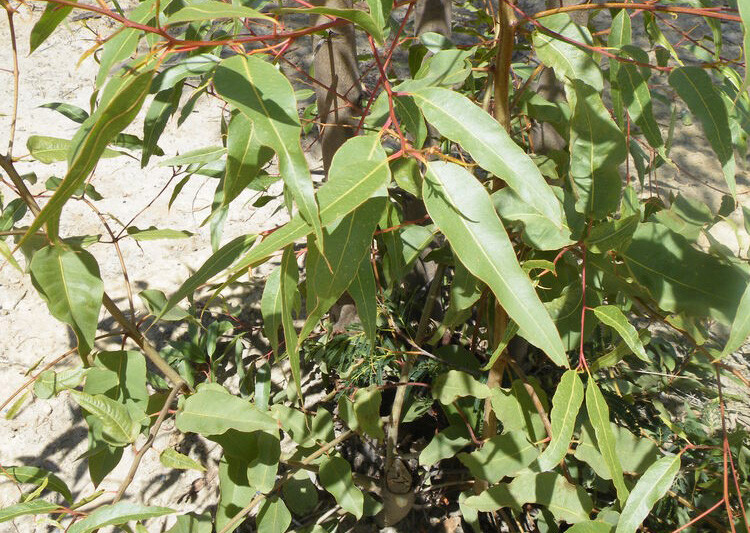
Citriodiol®, the refined end product used in our repellents, is organically grown from lemon eucalyptus trees. There is a growing interest in products based on natural ingredients. The demand for Care Plus® Anti-Insect Natural increases every year. After applying this repellent, a fresh, lemon scent is left on the skin. This is an immediate check on whether it has been amply applied.

lemon eucalyptus tree
Lemon Eucalyptus tree

Care Plus® Anti-Tick

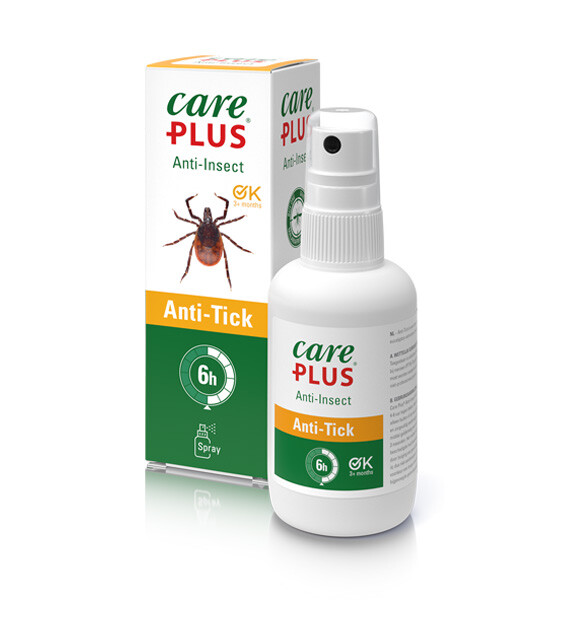
Tick bites can cause Lyme disease and tick encephalitis (meningitis), among other things. Care Plus® Anti-Tick Spray offers effective protection against ticks and works for up to 6 hours.

Care Plus® Anti-Insect Natural

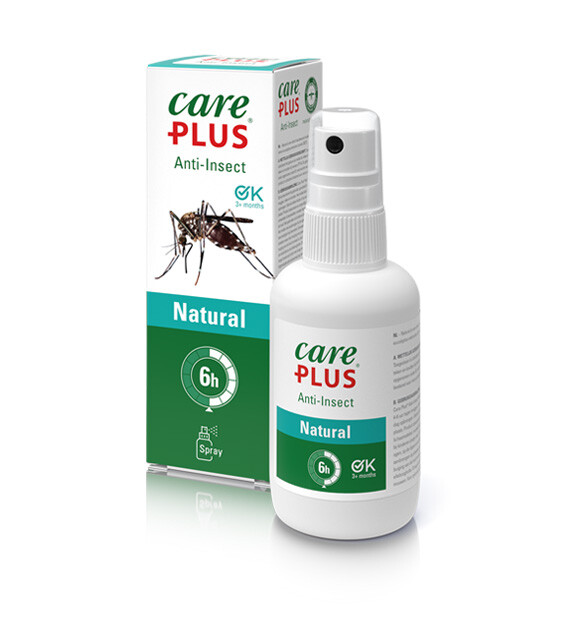
Care Plus® Anti-Insect Natural is based on natural lemon eucalyptus extracts and contains Citriodiol®. Lemon eucalyptus is the only natural ingredient that is suitable as an insect repellent and whose effectiveness has been proven in scientific (field) studies.

Care Plus® Anti-Insect DEET

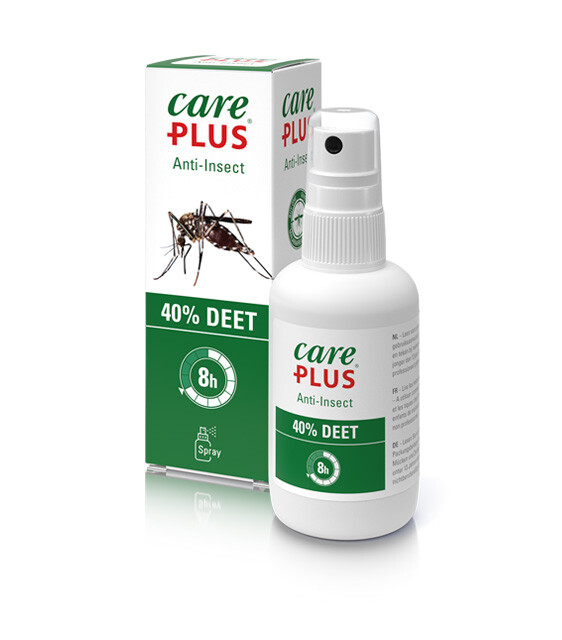
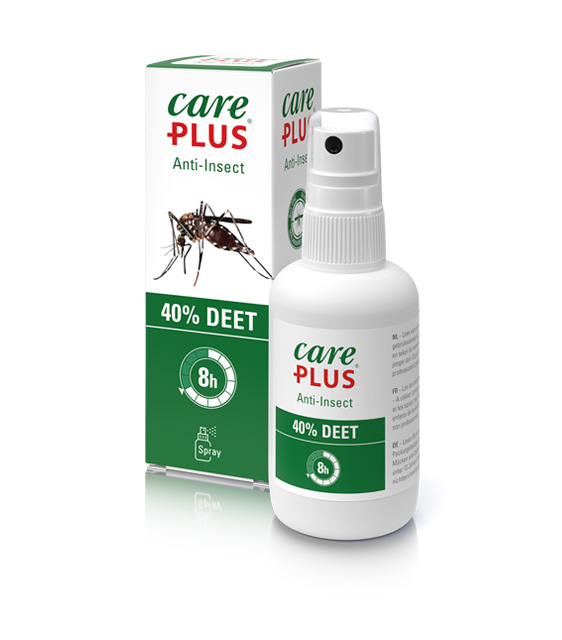
Care Plus® DEET is the strongest insect repellent for the skin. The active substance is effective against various disease transmitters, such as (malaria) mosquitoes and ticks. DEET provides up to 10 hours of protection against stings and bites.

25 April is World Malaria Day

25 April is World Malaria Day

Every day we are flooded with numbers and graphs. All about the coronavirus, a virus that is currently effecting people around the globe, and is receiving a lot of (media) attention. Corona has far-reaching consequences for the global social and economic balance. But did you know that malaria is still the largest ‘killer’ infectious disease in the world? And that this is due to the deadliest animal in the world: the mosquito?
Also available via Anchor: https://anchor.fm/care-plus-podcast
With more than 405,000 deaths annually (unfortunately mainly children under 5 and unfortunately this number is on the increase again) and more than 228,000,000 (that is 228 million reported) infections per year. This is definitely underreported. Not all those who are infected find a hospital (in time) where a diagnosis can be made, let alone start treatment on time.


25 April is World Malaria Day Every year on this one day, malaria is in the picture on a global scale. This is not to say that malaria receives as much (media) attention as the coronavirus. In fact, it is completely overshadowed this year. And that’s rather strange.

The conclusion from this table:

Every 2 minutes, a child (without other chronic health problems) dies from malaria. Why isn’t this on all news sites with daily updates?

The answer is sad and shocking at the same time: It’s ‘not in my backyard’. It doesn’t effect rich countries! That is why it is hardly ever in the media, it is not given much attention and there is insufficient research into a worldwide sustainable solution.

Corona Malaria
Number of infections > 2,4 million > 228 million
Number of deaths 165.000 > 435.000
Age 95% > 70 years 95% < 5 years
Chronic conditions already present in fatalities 99% 0%*
Contamination area Worldwide (Sub)tropics
Type of area Developed countries (rich) Developing countries (poor)
Largest source of infection USA (> 30%) Nigeria (24%)
– Figures measured up to and including 20 April 2020
– Annual figures WHO 2018
* Other than possible malnutrition and possible deviating hygienic conditions
With more than 405,000 deaths annually (unfortunately mainly children under 5 and unfortunately this number is on the increase again) and more than 228,000,000 (that is 228 million reported) infections per year. This is definitely underreported. Not all those who are infected find a hospital (in time) where a diagnosis can be made, let alone start treatment on time.


25 April is World Malaria Day Every year on this one day, malaria is in the picture on a global scale. This is not to say that malaria receives as much (media) attention as the coronavirus. In fact, it is completely overshadowed this year. And that’s rather strange.

corona malaria
Number of infections > 2,4 million > 228 million
Number of deaths 165.000 > 435.000
age 95% > 70 years 95% < 5 years
Chronic conditions already present in fatalities 99% 0%***
contamination area worldwide (sub)tropics
type of area Developed countries (rich) Developing countries (poor)
largest source of infection USA (> 30%) Nigeria (24%)
The conclusion from this table:

Every 2 minutes, a child (without other chronic health problems) dies from malaria. Why isn’t this on all news sites with daily updates?

The answer is sad and shocking at the same time: It’s ‘not in my backyard’. It doesn’t effect rich countries! That is why it is hardly ever in the media, it is not given much attention and there is insufficient research into a worldwide sustainable solution.

* figures measured up to and including 20 April 2020
** annual figures WHO 2018
*** other than possible malnutrition and possible deviating hygienic conditions

Malaria is an avoidable disease

I hold a very different opinion. At Travel Health Group we hold a very different opnion. At Care Plus® we hold a very different opinion.

Malaria is an avoidable infectious disease. After all, if you are not bitten by a mosquito with the malaria parasite in its body, you will not get malaria. So it is easy to prevent. Hence our great interest in education and focus on prevention!

Let’s put malaria in the news this time, if only on World Malaria Day, 25 April. The theme is “zero malaria starts with me”. I care about that. Everyone should care about that. There are many initiatives on the internet that contribute to “zero malaria”.


At Travel Health Group / Care Plus we have had a clear vision for years: “a malaria-free world in 2030”. In 2015, this goal was solidified, in line with the objective of the World Health Organisation at the time. This is the motivation for our team to set their alarm clocks every day and it’s how we manage to enthuse business partners.

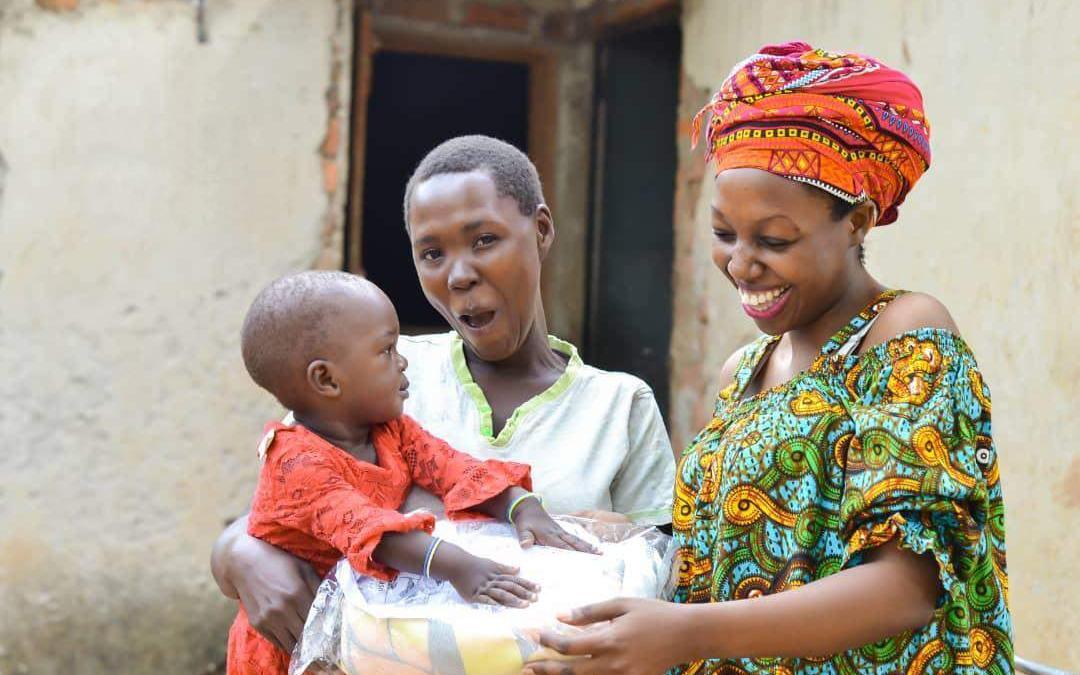
We have made this transparent: 1% of our turnover goes to this higher goal of making the world malaria-free by 2030. In specific terms, we do this with our ‘Buy One Give One’ campaign. Everyone who buys a Care Plus® product, for example a mosquito net or an anti-insect product, ensures that we can protect families in malaria areas by distributing impregnated and printed mosquito nets there.

We also support innovations and applicable scientific research that contributes to our higher goal. Finally, we facilitate a weekly newsletter (Malaria World) that is issued to more than 9,000 malaria professionals worldwide, created by young scientists in Kenya.

Awareness of malaria at least 1 day a year?

Can I ask you to consider malaria as the most important figure at least 1 day a year: at least on 25 April? Better still, to be aware of malaria every day. And even better is to know how you can contribute to a malaria-free world in 2030! Do you have any ideas about this? Let me know!

Arnoud Aalbersberg, Chief Mosquito Officer
+31654332824

Corona virus – Wash your hands thoroughly!

Corona virus – Wash your hands thoroughly!

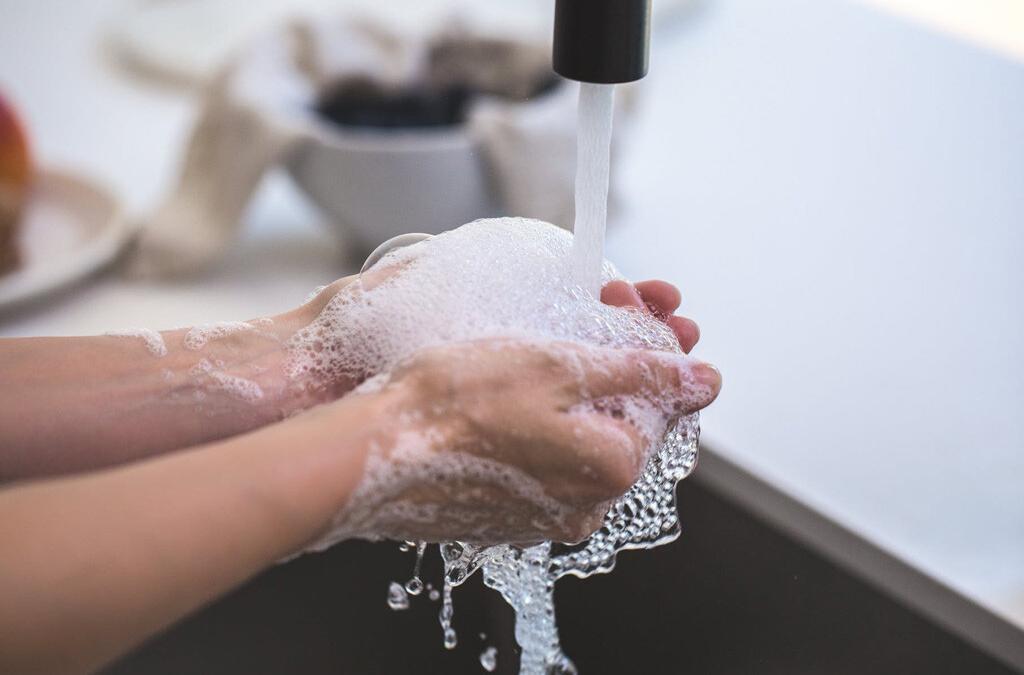
Good hand hygiene is of great importance for the prevention of the Coronavirus. How do you wash your hands thoroughly? In this article you will find some tips from the WHO.

Protect yourself and your environment!

  • Clean your hands regularly.
  • Wash your hands with soap and water and dry them carefully.
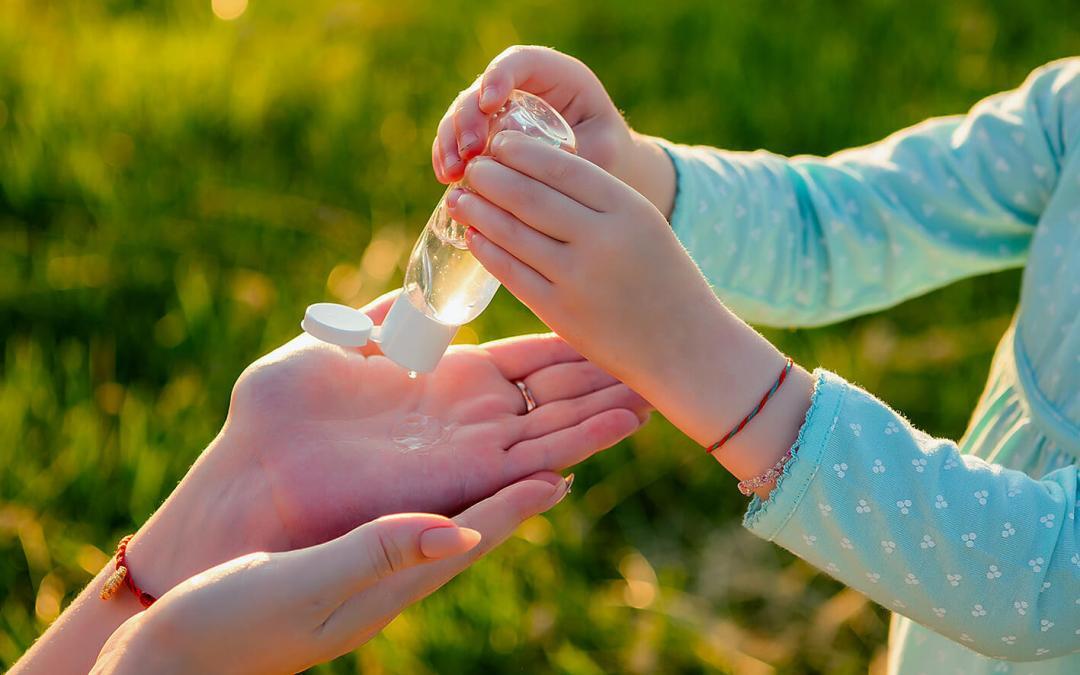
  • You don’t have water and soap at hand? Use an alcohol-based cleansing hand gel.

During this period, it is important to wash / clean your hands regularly. In case of visibly dirty hands, immediately wash your hands with soap and running water. But even when your hands are not visibly dirty, it is important to regularly wash your hands with soap and water or use a cleansing hand gel. If necessary, put up a reminder or set one on your phone. Prevention is key!

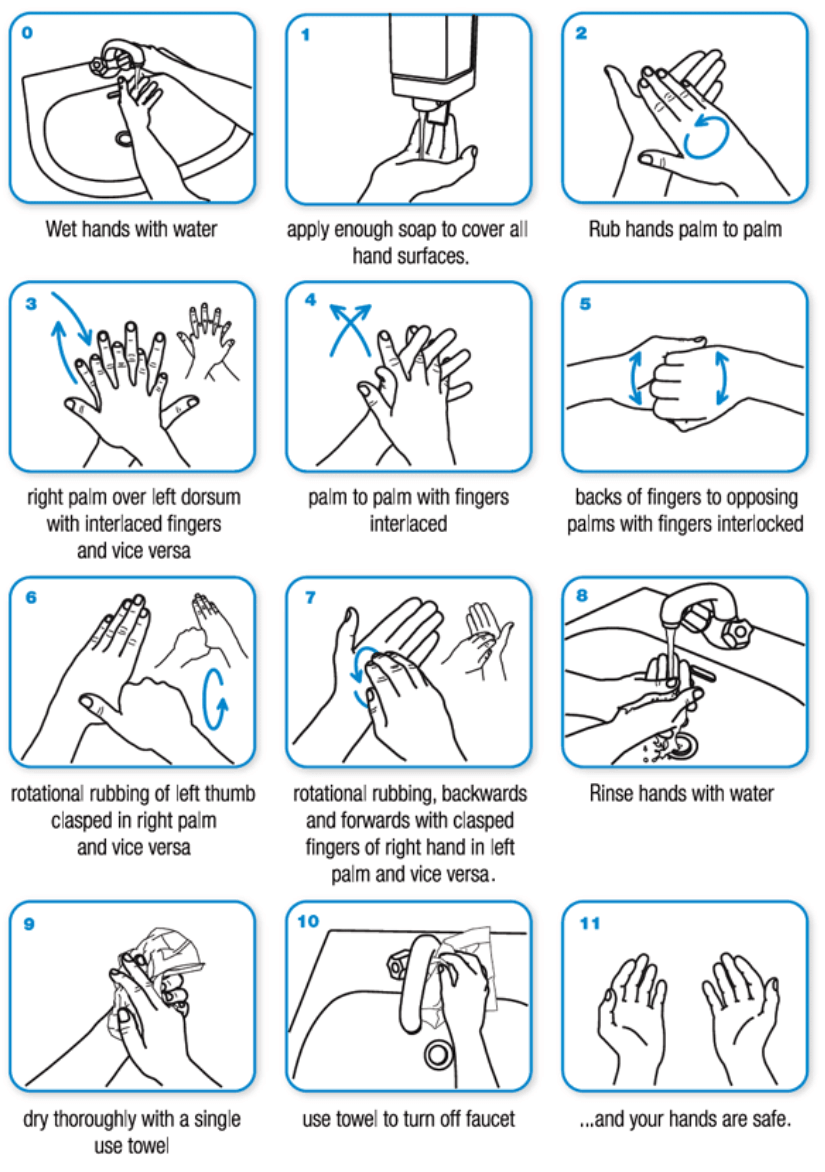
Alright, washing hands thoroughly is important, but how is that done? Washing your hands thoroughly takes twice the length of the song “Happy Birthday”!

  • Wet your hands with water.
  • Apply enough soap to cover your hands.
  • First rub your palms together.
  • Rub the top of your left hand with your right palm (your hands are on top of each other) and rub well with your left-hand fingers (top) between the fingers of your right hand (bottom).
  • Switch by placing your left palm on top of your right hand.
  • Rub with your palms and fingers entwined.
  • Make sure to wash all fingers individually afterwards.
  • Rub your hands well with your fingertips.
  • Rinse your hands with water.
  • Dry your hands thoroughly with a paper towel.

And there you go: clean hands!

Extra tips to protect yourself agains the Corona virus

Tip: just washed your hands? Take a piece of paper towel to dry them and use another clean piece of paper towel to open the door and throw it away afterwards.
In addition, do not forget to regularly clean often touched surfaces. These include:

  • Door handles
  • Mobile phone
  • Keyboard and mouse
  • Remote control

Or use protection, for example, when paying with card or refuelling your car.

In addition, the advice now is not to shake hands anymore. Numerous other greetings are possible. Be careful with elbows because it is advised to sneeze / cough in your elbow, so also avoid coming into contact with those.

Also read how to recognize the Corona virus symptoms and what you should do if you suspect you have been infected.

Pro Hygiene cleansing handgel

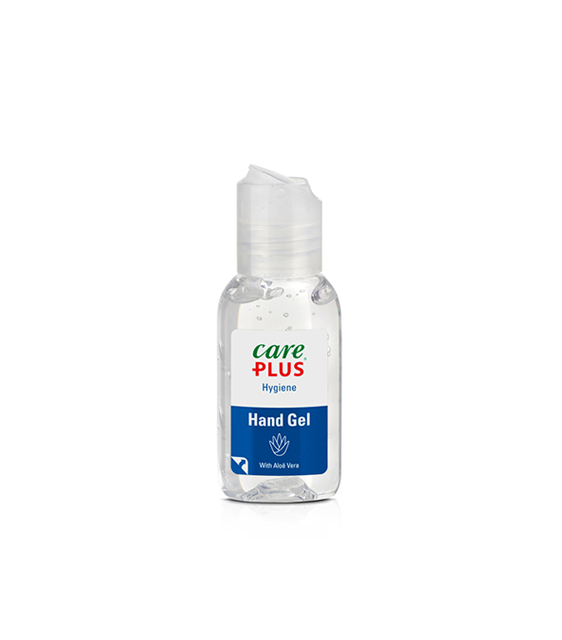
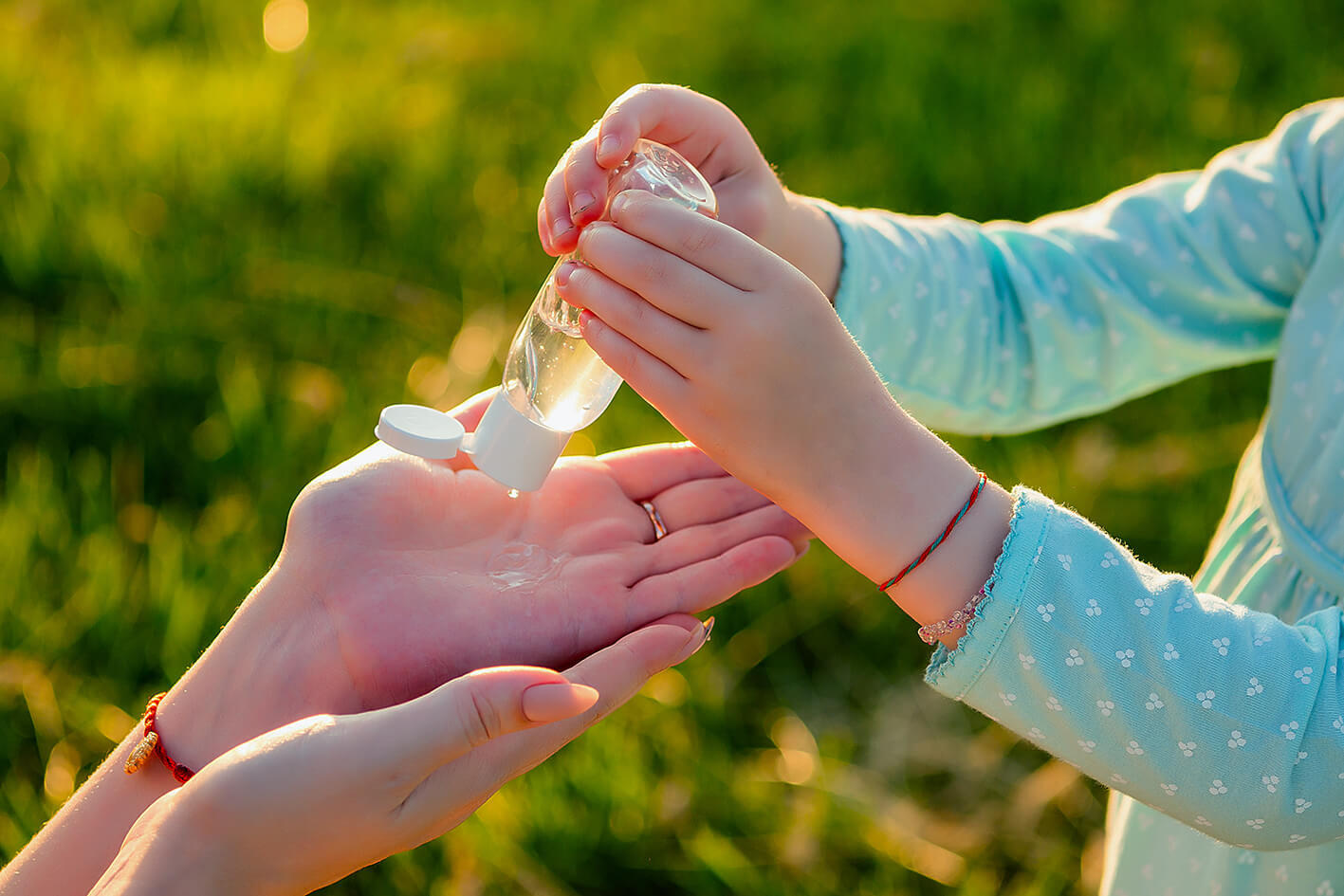
No water and soap available? No problem! With Pro Hygiene Gel in your bag, hand gel of Care Plus®, you will always be able to clean your hands. This small bottle of hand gel contains 30 ml and is very handy to have in your bag.

Bio Soap

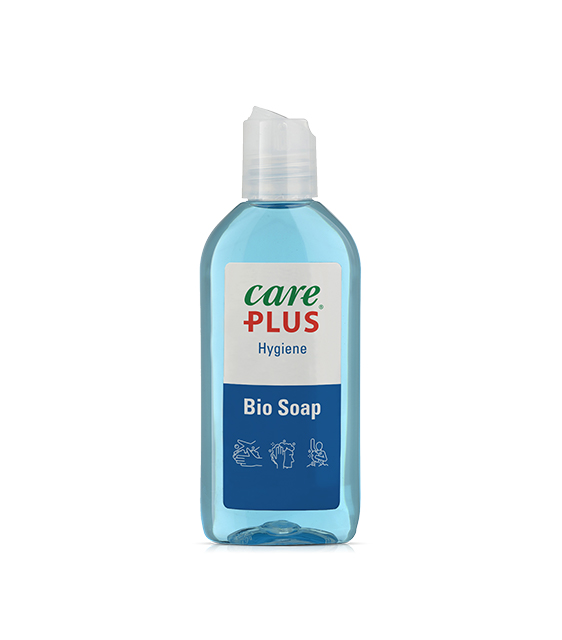
Care Plus ® Clean Bio Soap is ideal for travellers who stay outdoors for a long period of time. The concentrated biodegradable soap is made of organic ingredients. The soap is multifunctional and suitable for washing hands, skin, hair, slightly dirty clothes and the dishes. This soap is suitable for use with fresh, brakish and salt water.

Microfibre towels

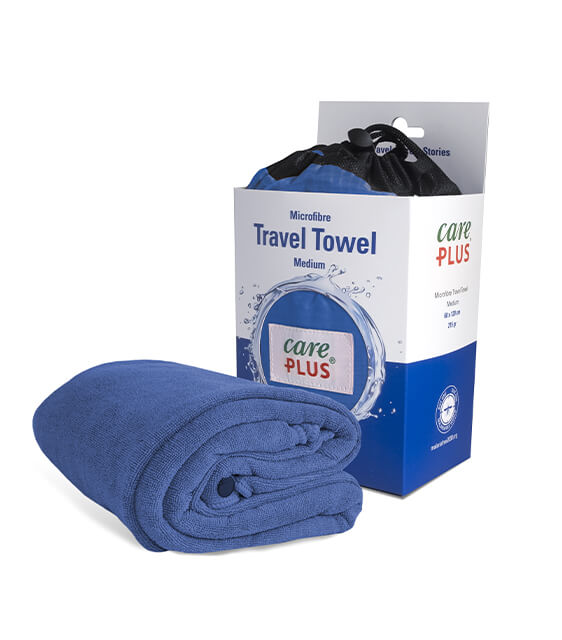
De Care Plus ® Travel Towel is lightweight, compact and easily fits in your bag. By using revolutionary microfibre, the travel towel is extra soft on one side, adding to the user comfort. The absorption capacity of the travel towel is seven times its own weight.

Corona virus symptoms and prevention

Corona virus symptoms and prevention

We have received multiple questions and concerns about the coronavirus. Here is our summary of what is going on and what precautions you should take.

So far cases have been confirmed in > 25 countries (also in the UK, France, Germany, Italy, Australia & USA). 2019-nCoV, the official name for the Corona virus, was not supposed to hop on humans, but it did. And this strain also includes a respiratory syndrome with a death rate of 2% (much much lower than SARS & MERS in the past).

Symptoms of the Corona virus

Corona virus symptoms (very common flu-like unfortunately) are:

  • coughing / sore throat
  • high temperature
  • tiredness
  • breathing difficulties

Symptoms appear usually between 2 and 10 days after contracting the virus. So if you have above symptoms consider if you have travelled very recently to high risk areas (i.e. Wuhan or Hubei Province in China), or have been in close contact (less than 2 meters or in the same room for more than 15 minutes) with someone who has the virus, CALL your doctor. Do NOT go straight to a doctor’s office or hospital as, if you have the virus because you risk spreading the virus to others!

Maybe it sounds strange but you will need to “self-quarantine” yourself for two weeks. Stay away from work and other busy places, prevent interaction with other people.

The most frequently asked question today is: what can I further do to prevent possible contraction of the Corona virus? The answer is: hand hygiene!

Wash your hands frequently with soap and water and/or use a hand sanitizing gel. This virus is spread via droplets when a person coughs or sneezes.  The droplets land on surfaces and are picked up on the hands of others and spread further. People catch the virus when they touch their infected hands to their mouth, nose or eyes.

Summary prevention Corona virus

  • Carry a hand sanitizer with you and use it frequently
  • Wash hands before eating
  • Be especially careful in busy public transport systems about touching things and then touching your face
  • Carry disposable tissues with you, cover your nose and mouth when you cough or sneeze and dispose of the tissue carefully (catch it, bin it, kill it)
  • Do not share snacks from packets or bowls that others are dipping their fingers into
  • Avoid shaking hands or cheek kissing
  • Regularly clean commonly used surfaces / devices you use (cell phone / keyboard)

Sources:www.who.int, www.cdc.gov, www.rivm.nl

Pro Hygiene cleansing hand gel

No water and soap available? No problem! With Pro Hygiene Gel in your bag, hand gel of Care Plus®, you will always be able to clean your hands. This small bottle of hand gel contains 30 ml and is very handy to have in your bag.

Bio soap

Care Plus® Clean Bio Soap is a concentrated biodegradable liquid soap made of organic ingredients you can use for washing.

Microfibre towels

The Care Plus® Travel Towel is lightweight, compact and easily fits in your bag. By using revolutionary microfibre, the travel towel is extra soft on one side, adding to the user comfort. The absorption capacity of the travel towel is seven times its own weight.

Apps, bracelets and plugs: products that won’t protect you against mosquitoes

Apps, bracelets and plugs: products that won’t protect you against mosquitoes

The mosquito season is in full swing again. It is high time to get the mosquito repellent to prevent a nasty bite. But which products really help against a bite and which are sheer nonsense and should we avoid spending money on?

Every year, new products come on the market. The manufacturers claim they protect against mosquitoes: apps and plugs that emit a high beeping sound and citronella scented bracelets to keep mosquitoes at bay. An enormous amount of money is spent every year on each and every product. And this year, again, an enormous amount of money will go down the drain, because you will still get bitten.

Citronella

The shelves are stocked with them: products based on citronella that claim to protect against mosquitoes’ bites. You have probably seen a citronella candle for on the table, in the garden, or on the patio. Unfortunately, these candles do not prevent you from getting bitten. Mosquitoes approach the heat, carbon dioxide and humidity emitted by a burning candle. Three things mosquitoes love! And the smell of citronella? Mosquitoes quickly get used to it.

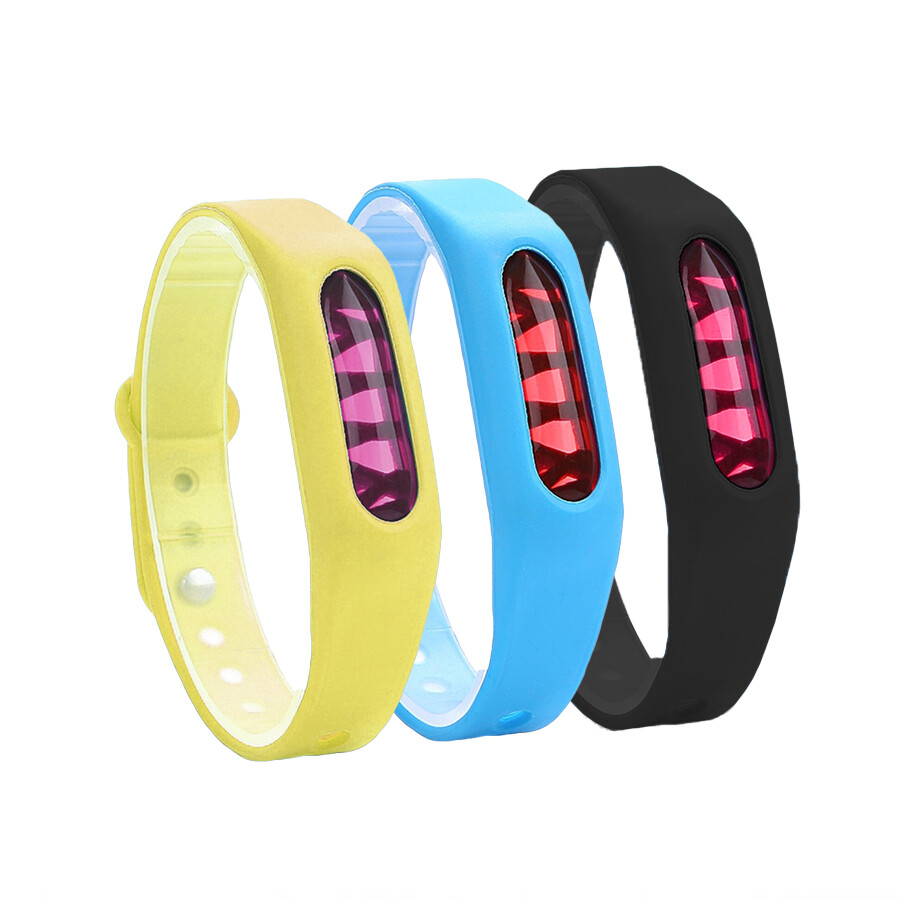
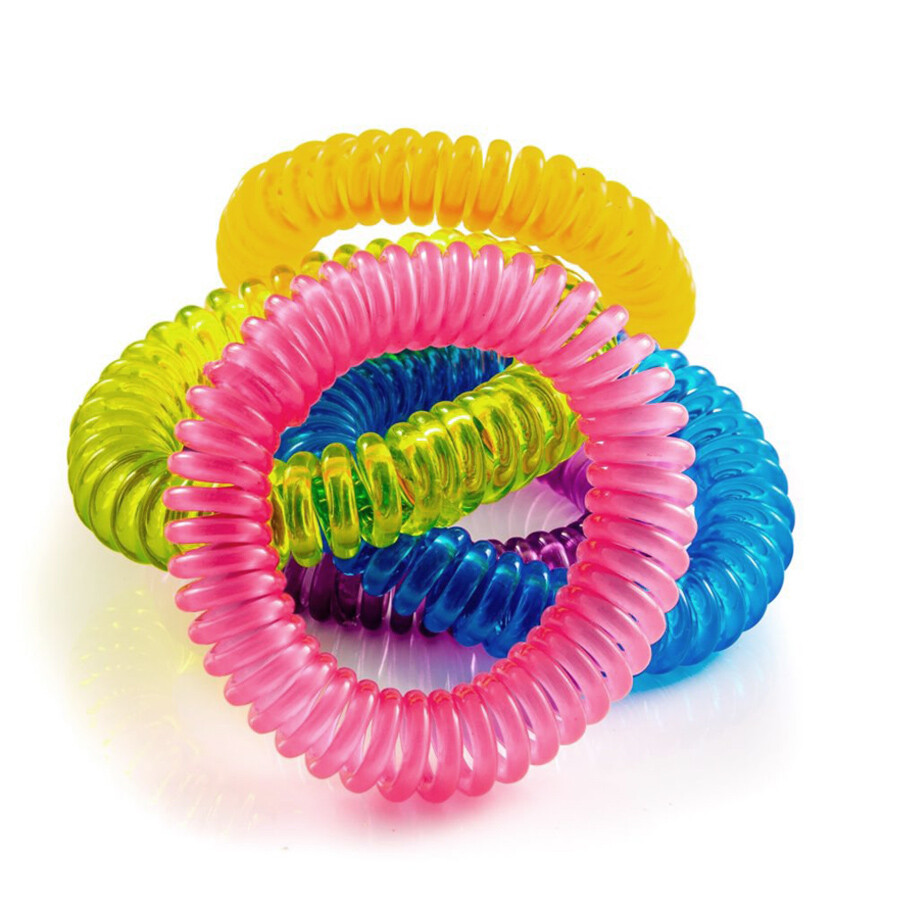
Not only the candles are popular. Nowadays, the stores are full of bracelets that are meant to keep mosquitoes at bay. These coloured bracelets also contain citronella, and are intended to protect you against mosquitoes for a few hours. A study by the New England Journal of Medicine has shown that citronella-based products, including bracelets, keep mosquitoes at bay for a maximum period of 20 minutes. In addition, only the part where the scent of citronella is located is protected for a short time. The rest of your body is free of citronella and therefore a great place for the mosquito to land. These bracelets will unfortunately not give you the right protection against mosquitoes and are therefore a waste of money.

Ultrasonic sound

Creators of apps, devices and plugs that emit an ultrasonic sound that should keep mosquitoes away are also misleading the consumer. Unfortunately, these remedies also don’t help prevent mosquito bites.

According to the makers, the high frequency of the noise would be so annoying to mosquitoes that they stay away. However, research has shown that the high frequency does not keep mosquitoes at a distance and is therefore nonsense. Ultrasonic sound, on the other hand, can have an effect on small mammals, such as rodents, bats and moles, but not on insects. Watch the video below about how mosquito expert Bart Knols is testing such an app with ultrasonic sound.

Millions of euros are spent every year on mosquito-repellent products that do not work. At the moment we do not have to worry about mosquitoes in England transmitting fatal infectious diseases, but in countries where this is the case, selling these drugs is not only a rip-off, but is also life-threatening.

In many southern European countries, you can contract the West Nile virus through a bite from an infected mosquito. So, make sure you are properly protected against mosquitoes at all times to minimise the risk of an infectious disease. 

Anti-Insect Natural

Made with natural lemon eucalyptus extracts and does not contain DEET. Natural can be used for children from 3 months and protects up to 6 hours against mosquitoes and ticks.

Mosquito nets

A mosquito net keeps mosquitoes, insects and other pests at a distance, so you can enjoy a good night’s sleep. Both at home and away!

Anti-Insect DEET

The active ingredient DEET is the most effective remedy for protection against (tropical) mosquitoes and ticks. Apply to exposed skin. The percentage is decisive for the duration of action.

Privacy Overview

This website uses cookies so that we can provide you with the best user experience possible. Cookie information is stored in your browser and performs functions such as recognising you when you return to our website and helping our team to understand which sections of the website you find most interesting and useful.