Tips for preventing and treating insect bites

Tips for preventing and treating insect bites

As soon as the temperature rises, more insects appear. Insects can cause itchy and irritating bumps, but an insect bite can also be dangerous. Ticks can transmit tick-borne encephalitis and Lyme disease among other things, and mosquitoes are responsible for spreading several diseases such as malaria, dengue and yellow fever.

Tips to prevent mosquito bites

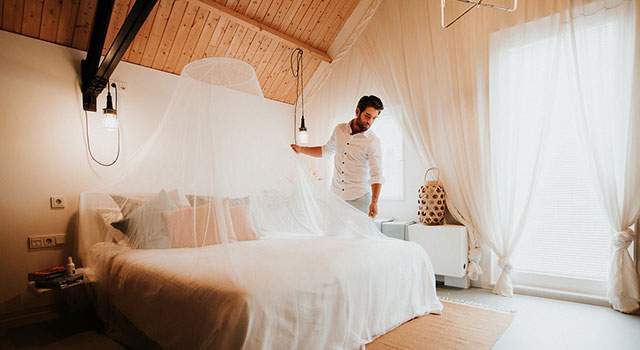
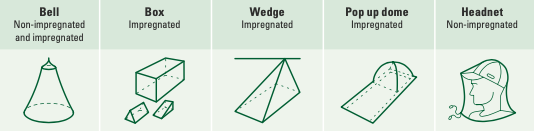
Fortunately, there are preventative measures you can take to reduce the chance of a mosquito bite. It is wise to check your sleeping quarters for mosquitoes before you go to sleep. This will prevent buzzing in your ear and itchy red bumps in the morning. Place mosquito nets in front of windows and doors to keep insects out. Despite these measures, a mosquito or other insect may still invade your bedroom, or it may only show itself once you are in bed. A mosquito net will keep insects away while you are sleeping.
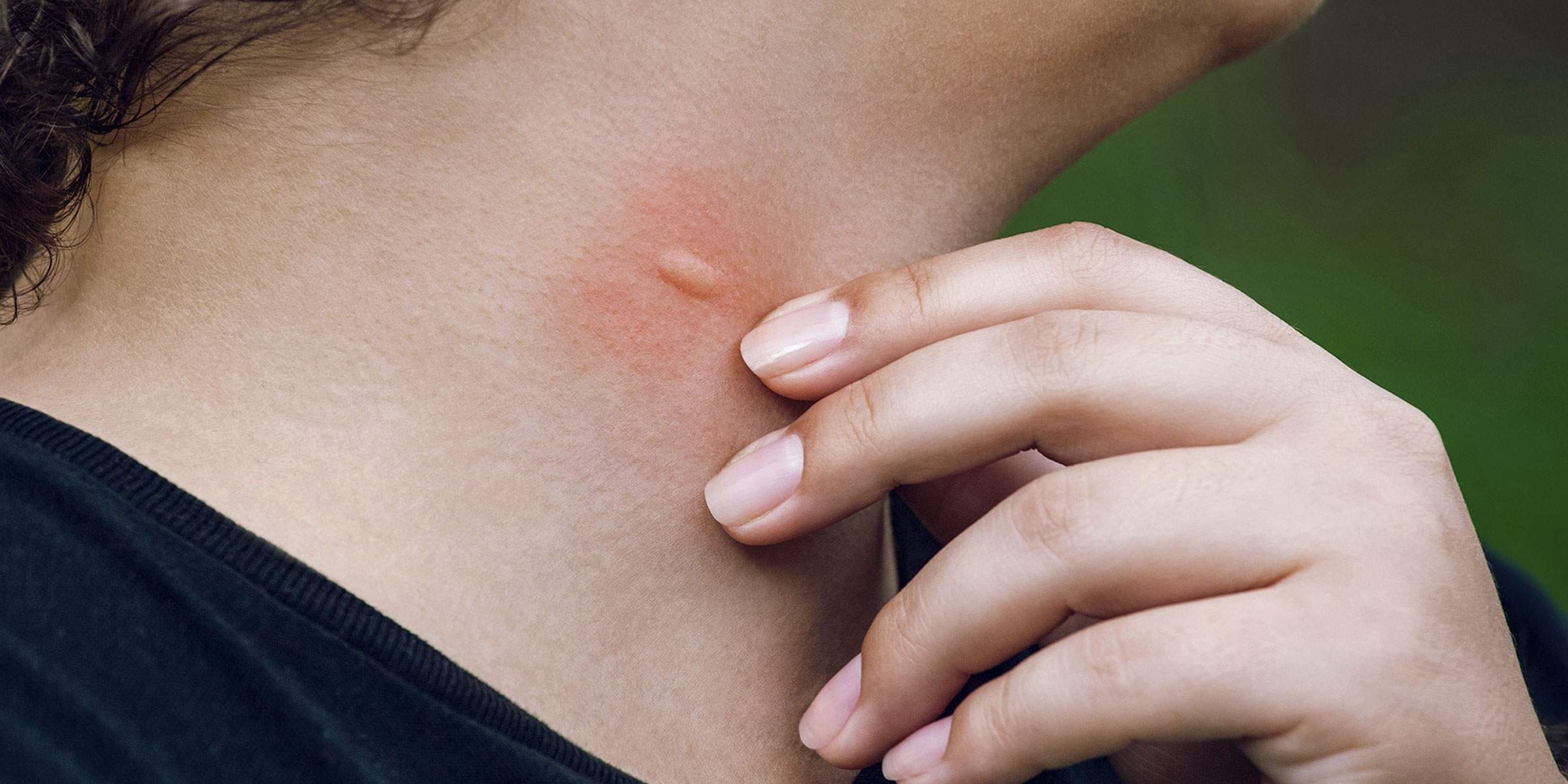
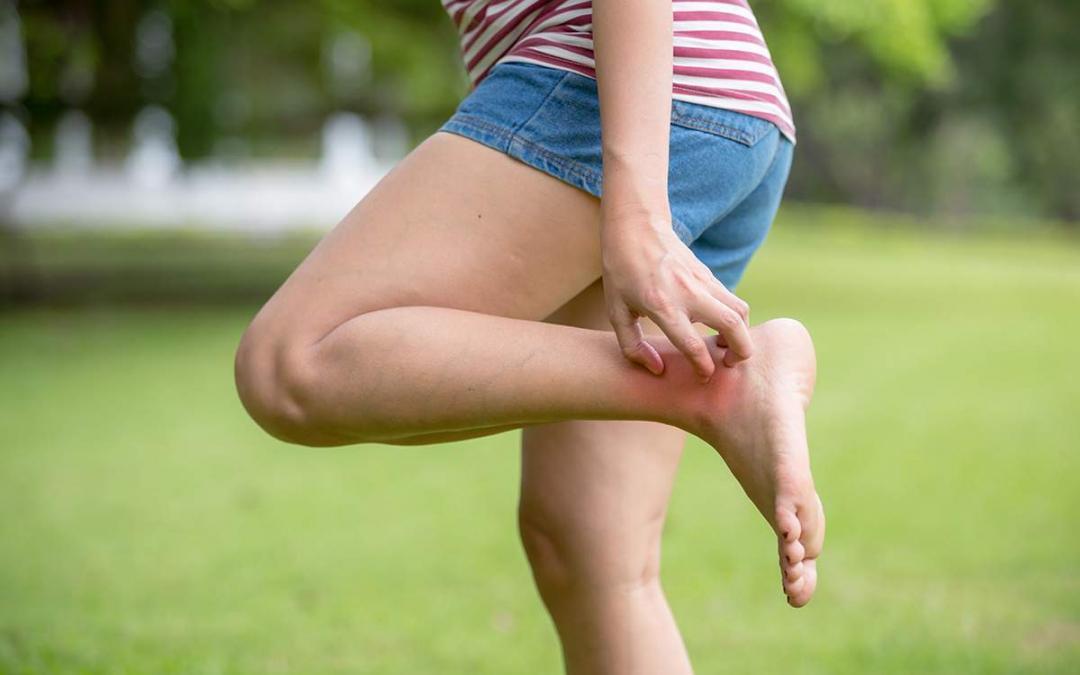
Relieve itching after an insect bite

Mosquitoes favour stagnant water. These are breeding grounds where the females lay their eggs. Remove stagnant water in and around your home (e.g., watering cans, rain barrels or bird baths) to prevent mosquito breeding sites. Wear covering, light-coloured and finely woven clothes and apply insect repellent based on DEET, Icaridin or natural lemon-eucalyptus extracts to uncovered skin.

Tips to prevent tick bites

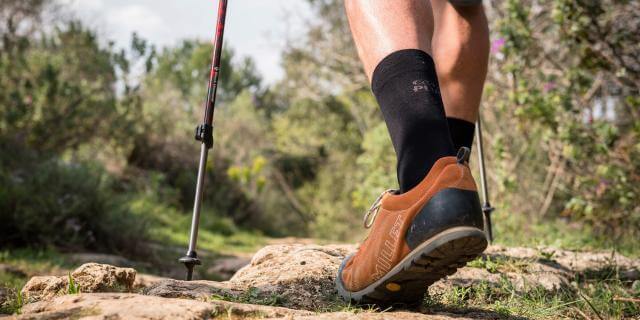
There are also measures you can take to reduce the risk of a tick bite. As with mosquitoes, you can opt for covering, light-coloured and finely woven clothes. When walking, stay on paths and tuck your trouser legs into your (tick-resistant) socks. Apply insect repellent such as Care Plus® Anti-Tick to uncovered skin.

Did you get bitten or stung after all?

Despite preventive measures, you may still be bitten or stung. Sometimes you do not even notice an insect bite, but there are also insects whose bites can cause pain, redness, irritation, swelling or itching. In the worst case, an insect bite can transmit a disease. It is therefore important to treat the bite or sting in the right way to prevent worse. Care Plus® has effective products that help you do this.

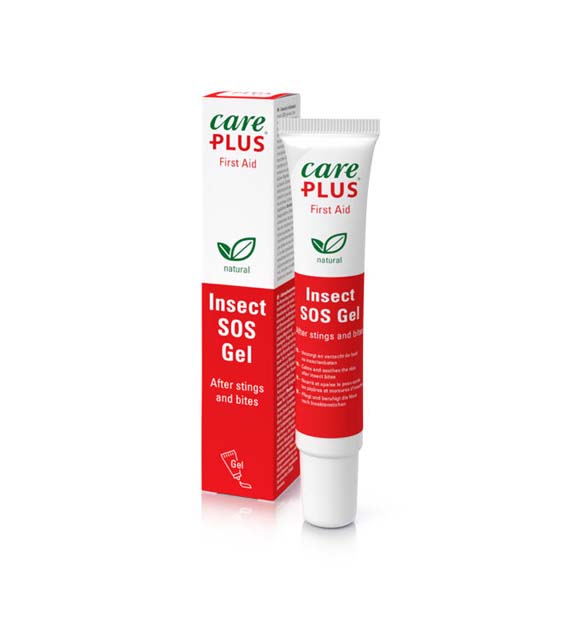
  • Care Plus® Insect SOS gel softens, cools and soothes irritated skin after, for example, a bite or sting from a mosquito, wasp or horse fly. The gel also relieves after a jellyfish bite, skin irritation caused by the stinging hairs of the oak processionary caterpillar and the Brown-tail moth caterpillar or after skin contact with nettles.
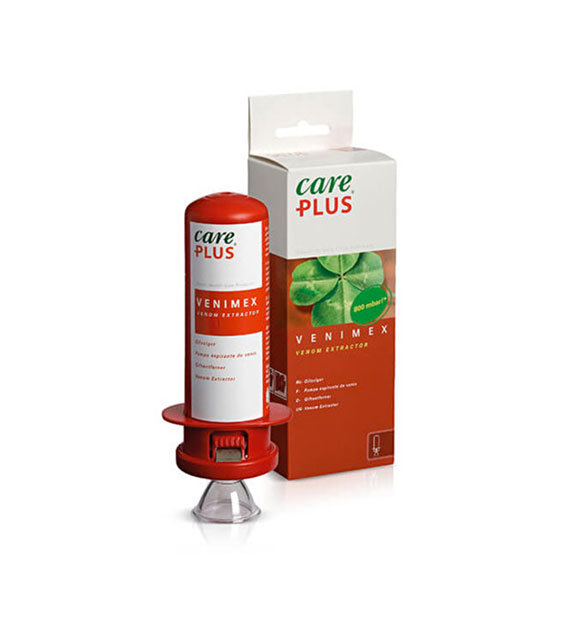
  • With the Venimex venom extractor you can quickly extract the venom of an insect or arachnid to prevent it from spreading. Make sure you do this as soon as possible after the bite or sting. This automatic vacuum pump reduces the chance of swelling and pain.
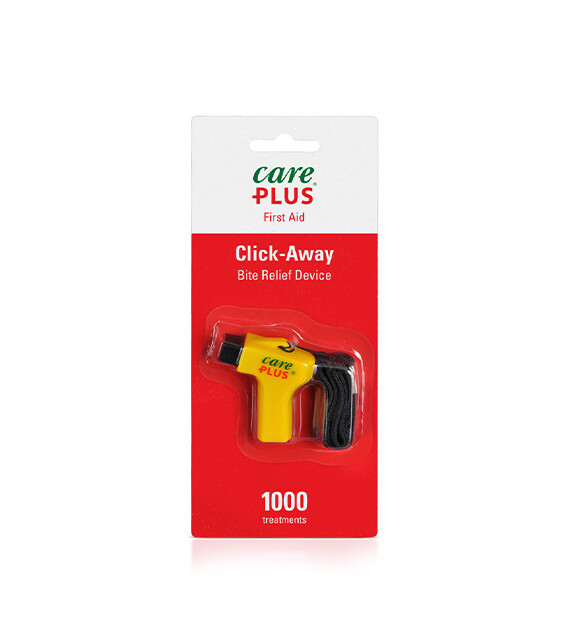
  • The Care Plus® Click-Away gives a small shock that prevents the body from producing histamine (the substance that causes itching, among other things). The itching and swelling reduce after just a few minutes. You can use Click-Away after an insect or jellyfish bite.

If you experience acute tightness of the chest after an insect bite or a rash in a place where you were not bitten or stung, you may be suffering from an allergic reaction. In such a case, always contact a doctor.

Treatment after a tick bite

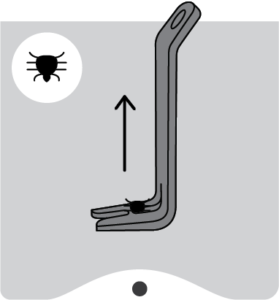
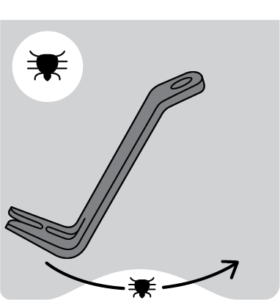
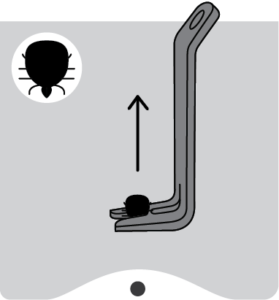
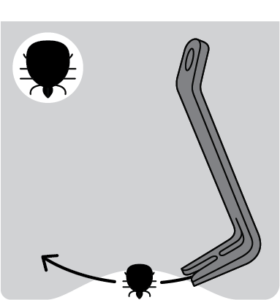
Even with a tick bite it is essential to be alert and to provide the right treatment. Always check yourself and each other thoroughly after spending time outdoors, in order to discover a tick in time. It is important to remove the tick as soon as possible to reduce the risk of transmitting any diseases. Remove the tick within 8 hours with a special tick remover such as tick tweezers or tick removal tool.

Caution! Always use a tool that has been specially developed to remove ticks. Do not use alcohol, oil, fire or soap. The tick may be frightened and spit out its (infected) stomach contents, which increases the risk of infection with TBE or Lyme disease. Don’t remove a tick with your fingernails or regular tweezers either, because there is a good chance that you won’t remove the tick completely. Again, there is a risk that the tick will be startled and empty its stomach contents.

After removing the tick, note the date and place of the bite and keep an eye on it for 3 months. Discolouration of the skin, for example a red circle around the place of the bite, or other complaints related to Lyme disease can occur after a few weeks or months. There may also be symptoms without a red spot or ring, as this occurs in only 50% of infections. Also look out for symptoms such as flu-like symptoms, muscle aches and/or fever. In this case, get yourself checked out by a doctor because when you get an insect bite, it’s better to be safe than sorry.
3 types of mosquitoes you’ll want to recognise

3 types of mosquitoes you’ll want to recognise

As many as 3,000 different species of mosquitoes live on our globe. Mosquitoes are annoying and can keep you awake at night while you try to sleep. Apart from their annoying buzzing, mosquitoes can also transmit infectious diseases to humans and animals. Unfortunately, the female mosquitoes see us as a tasty meal of blood. They need this blood to lay eggs. In this article, we will tell you which 3 mosquito species you would like to recognise and what their characteristics are.

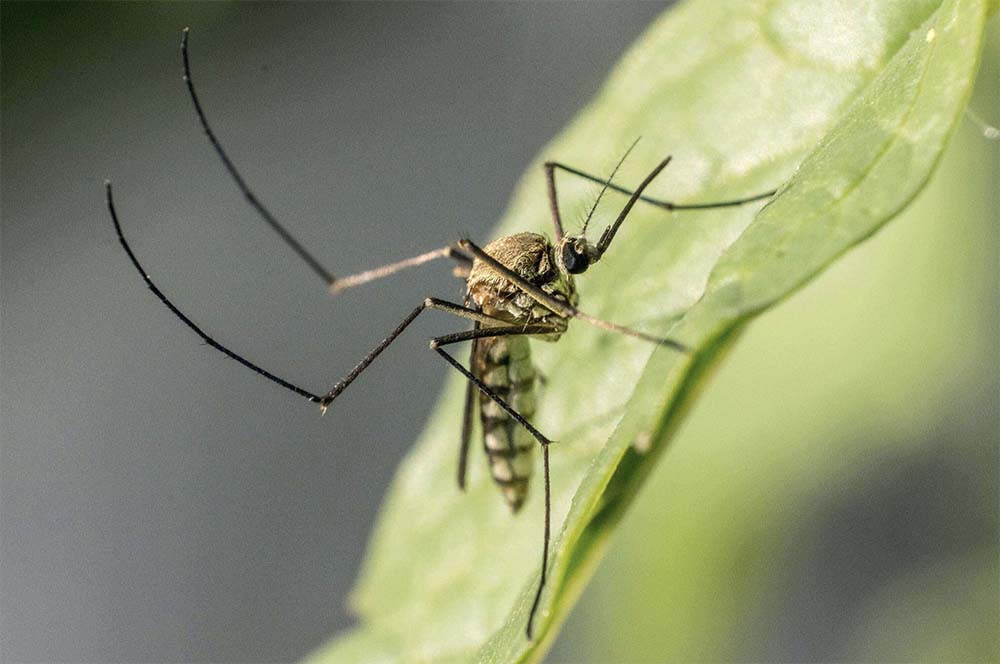
The common mosquito (Culex pipiens)

This mosquito is one of the most common mosquitoes in Europe, but also in countries like North America. This mosquito species usually bites at night and can be found both indoors and outdoors. They prefer the blood of birds but will also settle for humans once they are nearby. Culex mosquitoes are primarily annoying, but they can also transmit dangerous diseases such as West Nile virus and Western/Eastern equine encephalitis. Common mosquitoes like to lay their eggs in freshwater surfaces, such as puddles and flowerpots around your house. They are moderate fliers and can travel up to 3 km from their breeding site.

You can recognise the common mosquito by the following characteristics:

  • A mosquito has a sucking snout that points forward. This snout is about half as long as the body of the mosquito. These are the jaws and lips of the mosquito, which have evolved into a stinging and sucking organ.
  • The wings of a common mosquito are longer than the abdomen.
  • The thorax of the mosquito stands slightly upright when the mosquito is at rest.
  • The wings of a common mosquito are longer than the abdomen.
  • The head and abdomen are parallel to the ground.

The common mosquito (Culex pipiens)

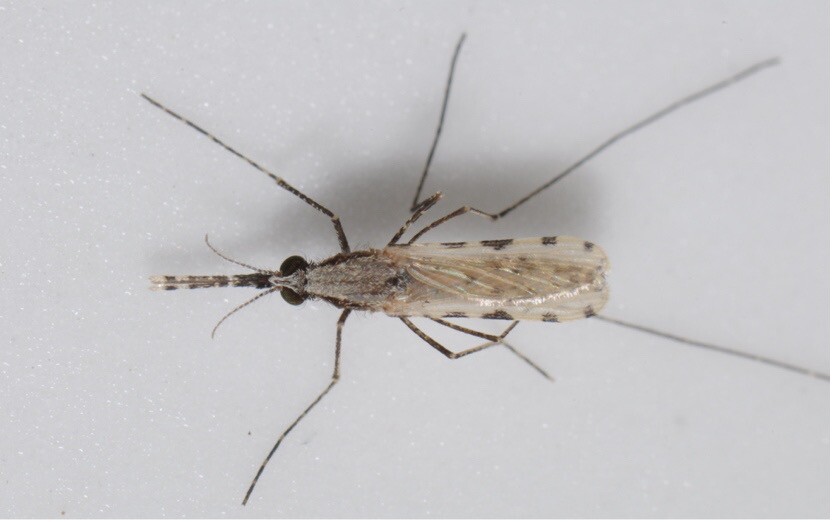
The malaria mosquito (Anopheles)

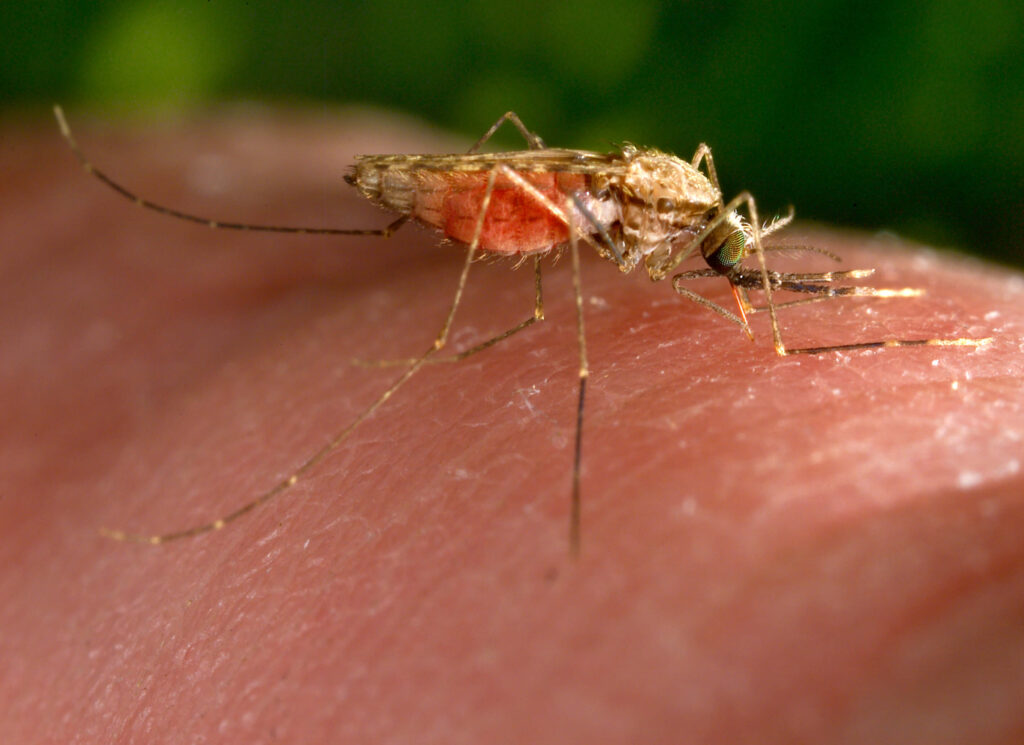
Anopheles is the best-known malaria mosquito and bites both indoors and outdoors between sunset and sunrise. They prefer humans and mammals. These mosquitoes can also transmit dangerous and sometimes even deadly infectious diseases, such as malaria. The malaria mosquito lays its eggs with floats on the surface of natural, overgrown water surfaces such as ponds and swamps. But it also likes to lay its eggs around the house in stagnant water such as flowerpots or watering cans. The malaria mosquito is found in the subtropics. They are strong fliers and can travel up to 14 km on a sugary meal and up to 4.5 km on a meal of blood.

You can recognise the malaria mosquito by the following characteristics:

  • The malaria mosquito is small compared to other mosquito species.
  • The head of the malaria mosquito points downwards and the abdomen stands upright (like the spoiler of a car).

The malaria mosquito (Anopheles)

The tiger mosquito (Aedes albopictus)

This mosquito is found in the (sub)tropics but has now also entered Europe and North America. This species can survive well in colder climates. Unlike the common mosquito and the malaria mosquito, the tiger mosquito likes to bite during the day. Humans are their favourite hosts. These mosquitoes can also transmit a range of infectious diseases (viruses) such as zika, chikungunya, yellow fever, dengue and West Nile virus.
Tiger mosquitoes like to lay their eggs individually or near the surfaces of temporary water sources such as used car tyres, flowerpots, and swimming pools. They are weak fliers and often travel no more than 800 metres from their original breeding sites.

You can recognise the tiger mosquito by the following characteristics::

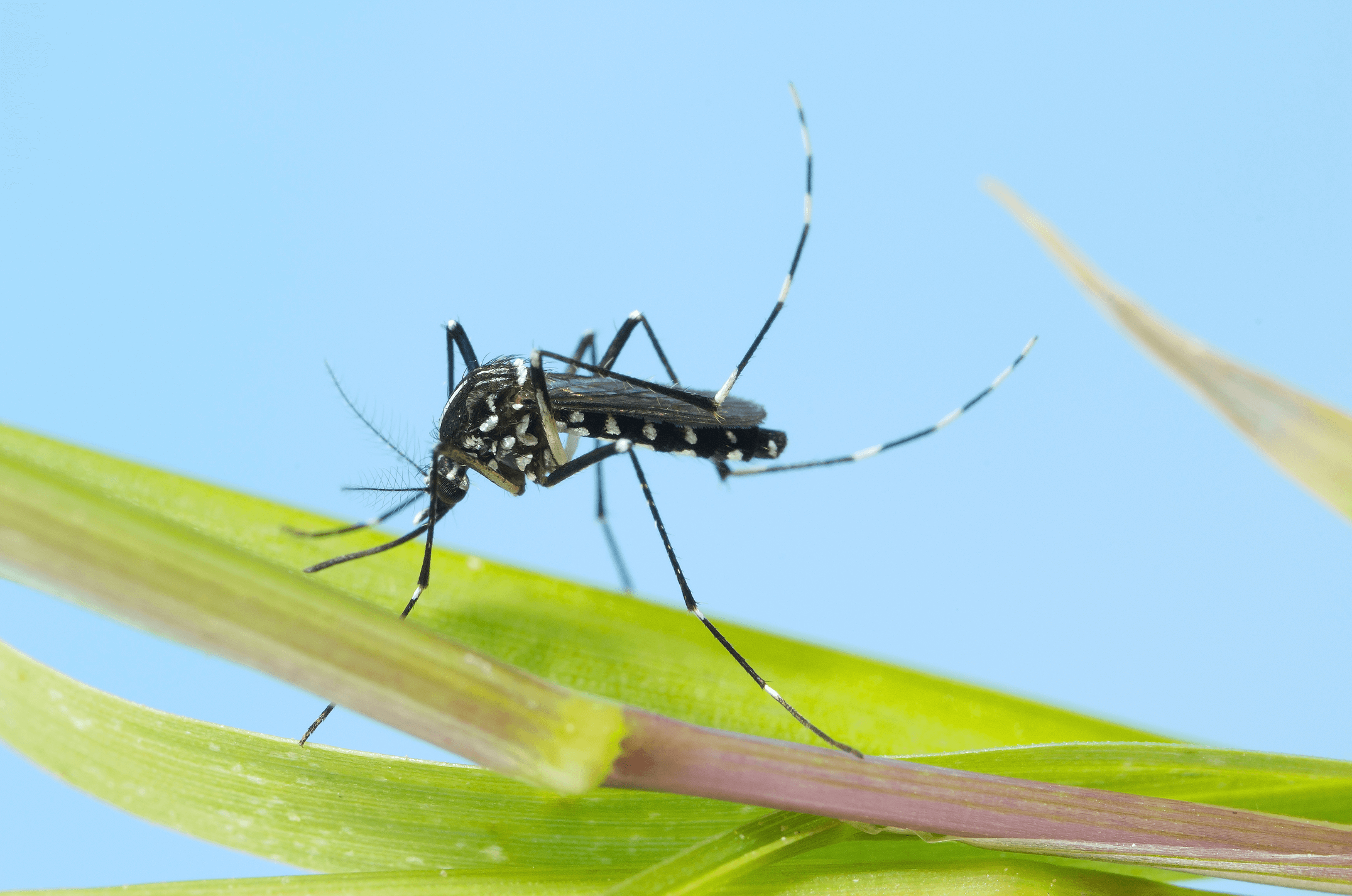
  • The tiger mosquito is small and its body is black and white.
  • The extreme ends of the hind legs are white.
  • The tips of the palps (mouthparts at the snout) are white.
  • A white stripe runs from the head down the back.
  • Both the head and the abdomen point downwards.
Tiger mosquito

The tiger mosquito (Aedes albopictus)

3 facts about mosquitoes

  1. Both male and female mosquitoes feed on nectar and plant sap, but only the female mosquitoes bite because they need blood to feed their eggs.
  2. During one meal, a female mosquito can drink her entire body weight in blood.
  3. A female mosquito lays on average more than 100 eggs at a time and can do this up to 10 times after being fertilised by a male mosquito.

3 frequently asked questions about mosquitoes

1. How often can a mosquito bite me?
A female mosquito bites until she is ‘full’. A few days later she will lay her eggs.

2. Why does one person get bitten more often than another?
This has to do with a combination of factors. Your body temperature, body odour and the (lactic acid) bacteria on your body, among other things, are all factors.

3. Why do mosquito bites itch?
This is a natural reaction of the human body to mosquito saliva. This causes the immune system to produce histamine, which causes the nerves to become itchy as a result of increased blood flow. If too much histamine is released, the area around the bite may swell, become red and itchy.

Enjoy walking with these 5 useful tips

Enjoy walking with these 5 useful tips

Walking or hiking seems very simple. You learn it at a young age, so what can go wrong? Unfortunately, without proper preparation you can get into unpleasant situations. Therefore, make sure you are well prepared before you start your hike or walk, whether it is a city walk or a walk in the countryside, a short intensive hike or a multi-day hike. We have put together 6 tips for you, so that you can enjoy your surroundings to the fullest.

1. Wear good shoes

This tip may seem obvious, but it is often overlooked. Wearing good shoes while walking is very important. Therefore, get good advice in a specialized shop, considering, among other things, the type of terrain you will be walking on. Also, remember to walk in your shoes before going on a longer hike.

2. Make conscious clothing choices

It is sometimes said that “there is no such thing as bad weather, only bad clothing”. It is a good idea to wear layers so that you can always take something off or put it on. Keep in mind that cotton clothing absorbs a lot of water and does not dry quickly. This can make you feel cold very quickly. Jeans may rub and be stiff. If you are walking through nature, remember to wear close-fitting, covering and preferably light-coloured clothing and to tuck your trousers into your (impregnated) socks to reduce the risk of a tick bite. Use Anti-Tick on uncovered skin. Always check for tick bites afterwards.

3. Make sure you can make contact with the outside world

Being able to walk undisturbed is wonderful; being unreachable for the outside world allows you to enjoy the surroundings undisturbed. But when you need outside help, it can be dangerous to be on the road without having something to hand with which you can reach the outside world. Always make sure your phone is charged or that you have a power bank with you.

4. Make sure you have the right equipment

What you take with you on your hike depends on where you are going to hike and how long you are going to be there. It is a difficult decision, because you want to be prepared for everything, but you also don’t want to carry unnecessary weight. One thing that should definitely not be missing from your luggage is a first aid kit. Care Plus® has handy, lightweight first aid sets that are easy to take with you and with which you can carry the most necessary products in case of emergency, such as Care Plus® First Aid Kit Roll Out Small and Care Plus® First Aid Kit Basic. Furthermore, make sure you have enough clothing, (energy-rich) food and drinks and plan breaks at regular intervals so that you can spread your energy over the entire hike.

5. Do not overestimate your own abilities

If you are not passing through, your starting point is also your finishing point. In general, this is where your transport is or this is where you will spend the night, so you will have to return to this point. In any case, the distance covered on the way out to the farthest point must be covered again to get back to the starting point. However, people tend to overestimate their own abilities, which can make the journey back quite challenging. It is therefore important to understand your abilities and plan the route beforehand, taking into account the abilities of yourself and any fellow hikers. Especially for remote (natural) areas without public transport possibilities, walking is often the only option back.

Sleep under a mosquito net at home too

Sleep under a mosquito net at home too

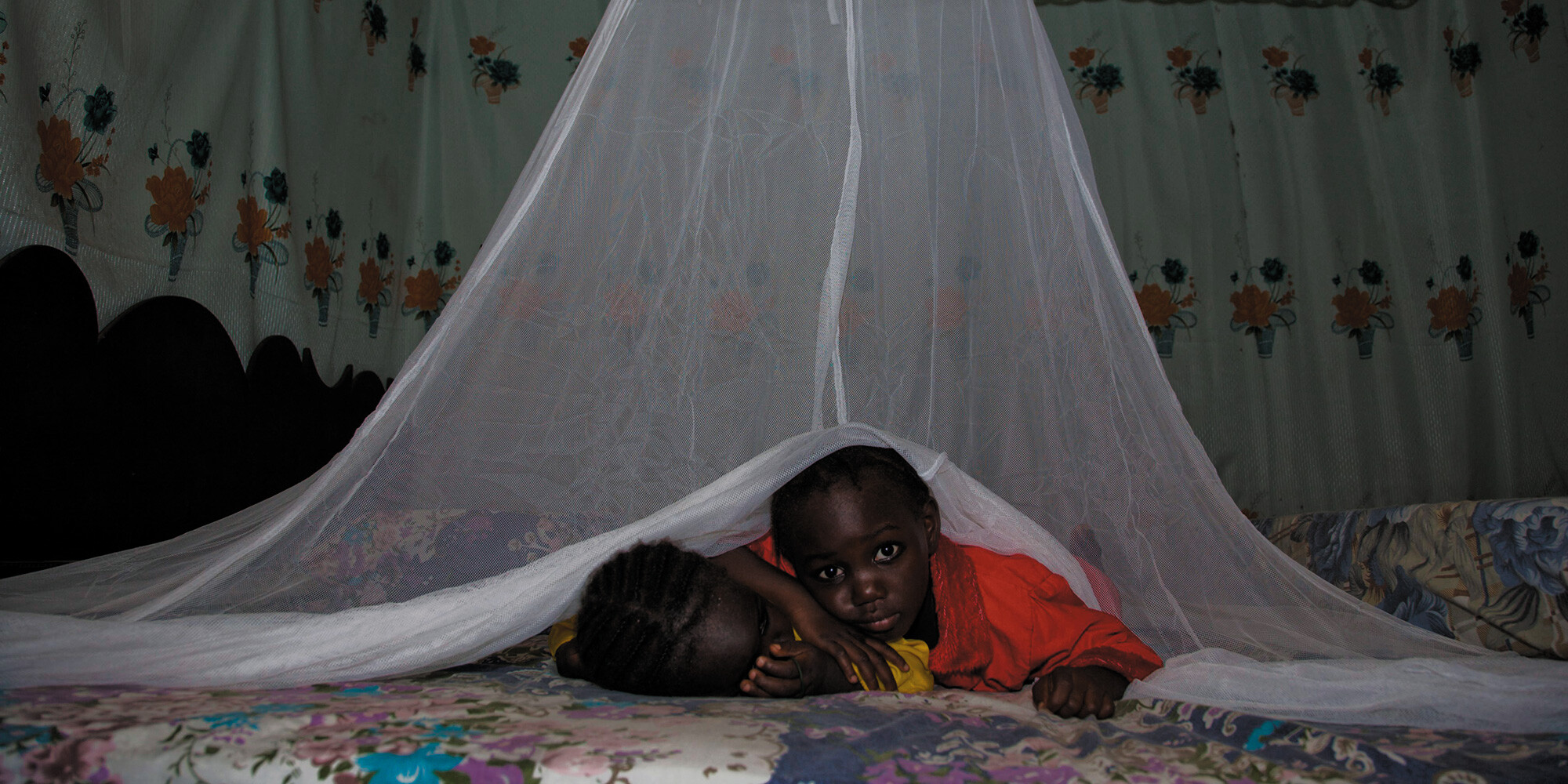
You probably recognize it, that irritating buzzing around your head as soon as you try to sleep. The next morning you wake up with itchy red bumps on your body. Many people sleep under a mosquito net to keep insects at a distance when travelling far away, but a mosquito net is also ideal for use at home or during a holiday in your own country. A mosquito net keeps mosquitoes and other insects at bay so you can enjoy an undisturbed night’s sleep.

Mosquitoes infected with the West Nile virus

When it comes to the health of yourself and your family, you don’t take half measures. Mosquitoes can be a nuisance, like the buzzing around your head when you’re trying to sleep. A mosquito bite can also have bigger consequences, as mosquitoes are the transmitters of various diseases. In Europe, the risk of contracting a disease after being bitten by an infected mosquito is limited, but not entirely without risk. For example, the number of infections and (fatal) casualties because of the West Nile virus has increased sharply in the past year. It is expected that the real number of infections is higher, because about 80% of the infected people do not get any complaints. Not everyone is lucky. Some cases are so severe that these people must be admitted to the intensive care unit or, in extreme cases, die.

A non-impregnated mosquito net for use close to home

The house mosquito is responsible for transmitting the West Nile virus, among other things. This mosquito bites mainly between sunset and sunrise. You can prevent the risk of mosquito nuisance by sleeping under a mosquito net. For use at home or within Europe (e.g., camping) you can use a non-impregnated mosquito net*. Are you travelling to a malaria risk area? Then mosquito bites are much more dangerous. We advise you to take an impregnated mosquito net* in your suitcase or backpack to keep mosquitoes at bay.

Care Plus mosquito nets

How do you use a mosquito net?

A mosquito net doesn’t only protect you against mosquitoes, but also repels other insects while you’re sleeping. Make sure that the mosquito net is not too small, because if you sleep against the net, it doesn’t offer optimal protection. It’s also important that the net is closed on all sides. Only then the mosquito net offers extra protection against stinging and biting insects.

With the right care and mounting, a mosquito net will last for years after purchase. This way you can sleep comfortably and undisturbed for years to come. And you must admit, a mosquito net around the bed is quite romantic, isn’t it?

Tick season has started!

Tick season has started!

It’s Tick Bite Prevention Week. Out and about in nature or working in the garden? Then watch out for ticks! As temperatures rise, so does the risk of tick bites. Ticks are most active between March and October, when temperatures are above 8Cº.

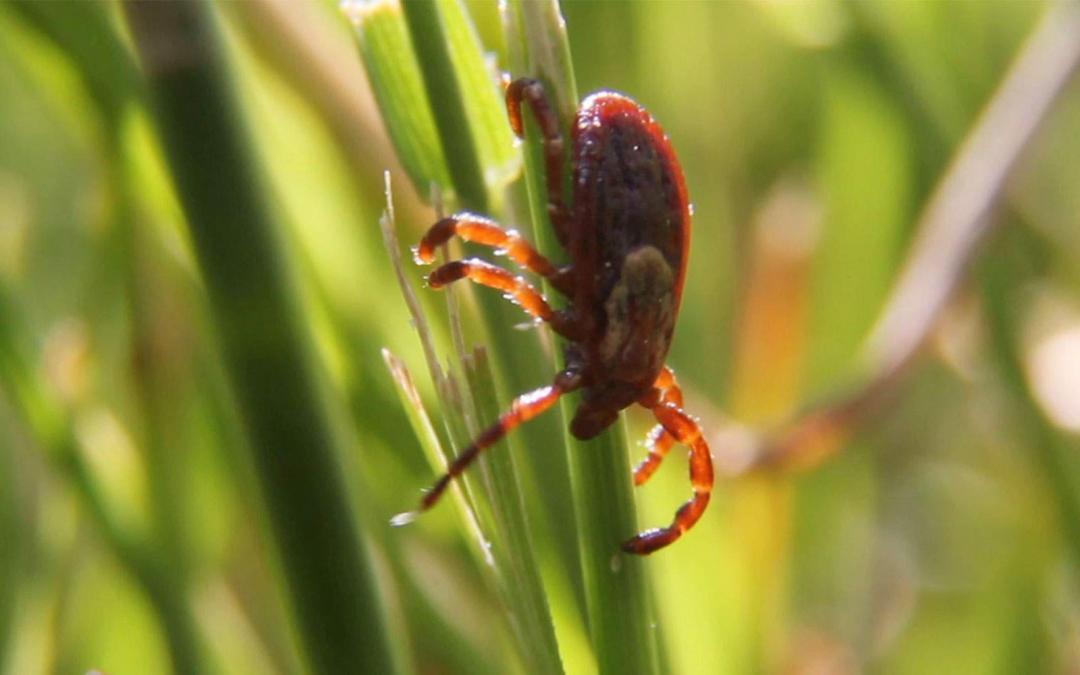
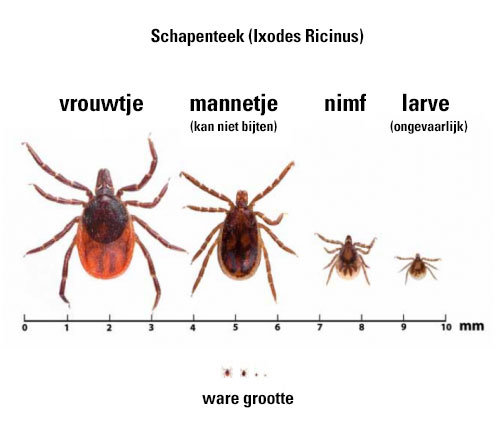
TTicks are very small, black, spider-like parasites that attach themselves to people in order to suck blood and stay alive. Without blood from a human or animal host, they cannot survive. This attachment is called a tick bite.
A tick bite can be dangerous because, among other things, they can transmit Lyme disease and the TBE virus (tick-borne encephalitis), which can lead to inflammation of the brain (membrane).

what are ticks?

Do ticks fall from trees?

The little black creatures live in natural settings such as lawns, meadows, heaths, parks, gardens and wooded areas. Despite persistent myths, ticks cannot fly, jump or fall from trees. The danger comes from below. Keep this in mind in the measures you take against tick bites.

Tips to prevent a tick bite

A tick bite cannot be prevented, but there are a number of tips to reduce the chance.

  • Stay on the paths as much as possible and avoid bushes and high grass.
  • Wear light-coloured clothing with long sleeves and legs.
  • Tuck your trouser into (tick-resistant) socks.
  • SLubricate uncovered skin with a tick repellent.

Tick control

Ticks live in nature. Always check yourself and each other after picnicking, walking, running, playing outside, camping, gardening or any other spending time in nature and do it the same day. Check your whole body, but pay particular attention to warm spots such as the hairline, armpits, knee hollows, buttocks and groin.

You have discovered a tick. Now what?

Despite good precautions, it can happen that you discover a tick on your body. If so, remove the tick properly. If you discover a tick bite, it is very important to remove the tick quickly, correctly and safely. Make sure that you always have a Care Plus® tick pen or tick pincers with you, so that you can remove the tick correctly within 8 hours. When removed incorrectly, the tick can empty its stomach content, including harmful bacteria and viruses that can cause Lyme disease and TBE, among other things. For the same reason, never use fire, soap, nails or alcohol to remove the tick. Write down the date when you were bitten, where you were bitten and when you removed the tick. After that, keep an eye on the place where the tick has bitten you for three months: discoloration of the skin or other symptoms related to Lyme disease can occur after a few weeks or months. Do you feel unwell or does a red circle appear around the place of the bite? Then contact your doctor.

How to prevent or treat a blister?

How to prevent or treat a blister?

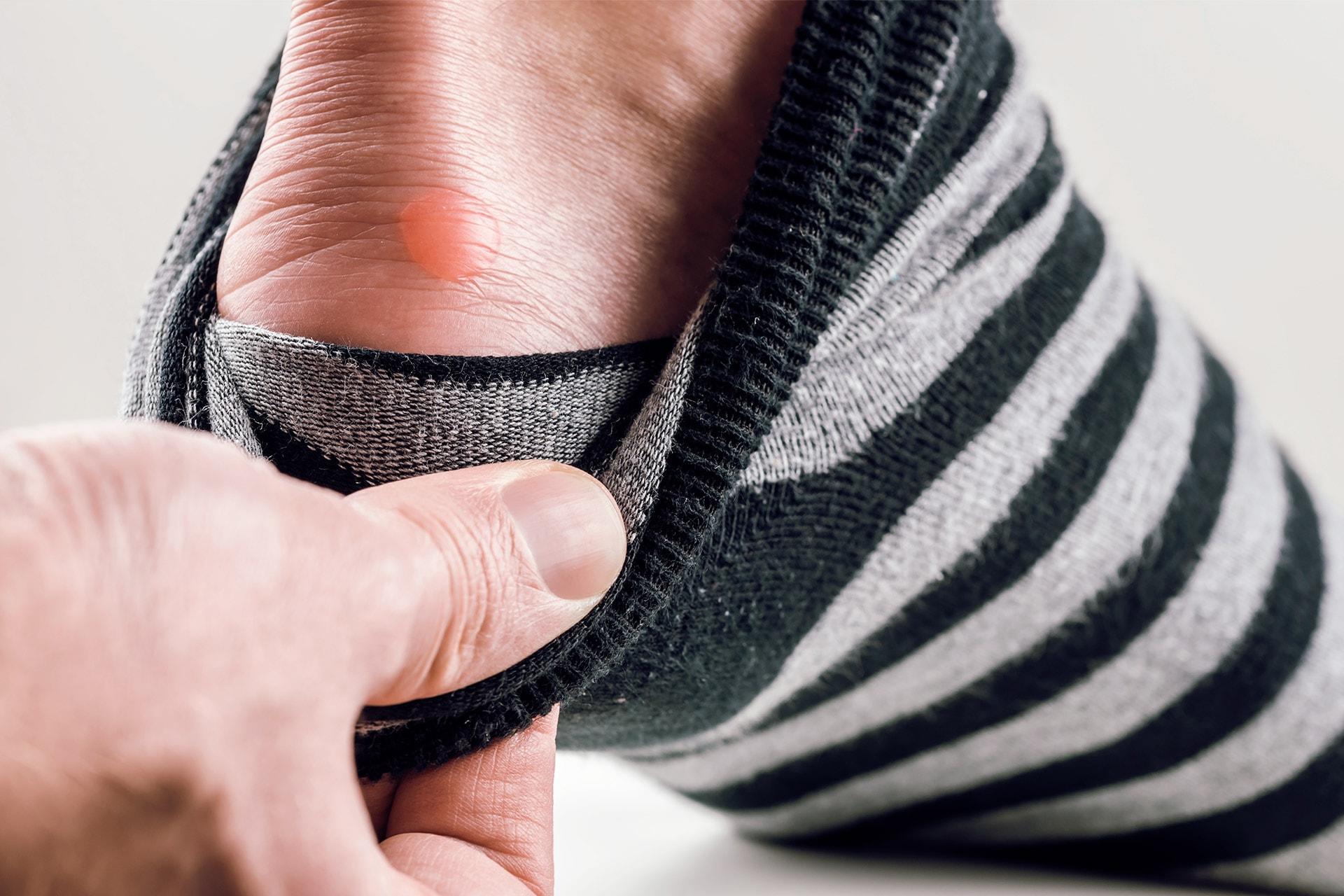
Walking is a healthy form of exercise. It improves your fitness and causes few injuries. Nevertheless, even the most experienced walker cannot prevent blisters. That is why blisters are the number one foot problem among walkers.

How do blisters originate?

A blister is caused by friction or pressure and is a natural reaction of your skin to protect the underlying tissue. The protection comes from a build-up of fluid under the epidermis in the form of a fluid-filled blister.

How to prevent or treat a blister?

6 tips for blister prevention

Unfortunately, it is impossible to completely avoid a blister. However, there are a number of tips that can reduce the risk of developing a blister.

  1. Make sure you have properly fitting shoes. Blisters are mainly caused by friction. Therefore, avoid shoes that are too wide. At the same time, some space for your toes is important, because shoes that are too tight also cause blisters. When trying on new hiking boots, remember that your feet swell a little when you walk. Also make sure that your socks fit, as poorly fitting socks or socks with seams can also cause blisters.
  2. Walk on your shoes before you start a long hike. Never walk very long distances with new shoes without walking on them before. Just like walking distances, build them up gradually. This does not automatically mean that you will not develop blisters, but it does reduce the risk.
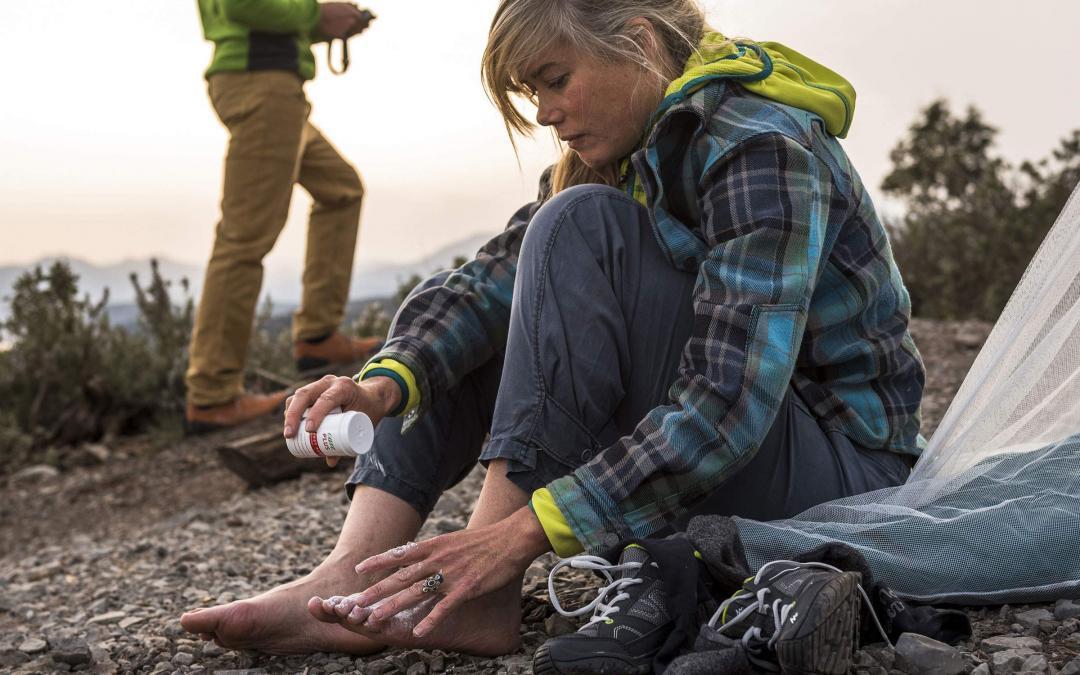
  3. Use Care Plus® Anti Blister Spray every day, starting 3 weeks before a long walk. . By spraying your feet daily with this camphor-based foot spray, the skin becomes harder and the risk of blisters is reduced.
  4. Make sure your feet and socks are as dry as possible. Moisture and sweaty feet promote the development of blisters. 
  5. Preventively cover sensitive spots with blister plasters or tape. If your toes constantly rub against each other, you can opt for so-called toe spreaders.
  6. Take good care of your feet. Regularly remove any excess calluses and keep your nails short. Preferably wash your feet with cold water and no soap.

A blister, now what?

Generally, it is better to leave a closed blister closed and not puncture it. The accumulation of fluid protects the underlying tissue and the closed blister is also an excellent protection against infection. When the blister is punctured, dirt can get into the wound and cause it to inflame. It is better to cover the closed blister with a blister plaster. The Care Plus® blister plasters, available in 3 sizes, reduce pain and relieve pressure. Use a blister plaster on clean, grease-free and dry skin.

Necessary puncture of the blister

However, sometimes it is unavoidable to puncture a blister, for example if you still have a long distance to walk. After all, it is difficult to continue walking with a painful blister. When puncturing a blister, ensure that you work hygienically so that no dirt gets into the wound. Wash your hands well and disinfect the skin around the blister. Punch the blister with a sterile needle, as close to the skin as possible, i.e. at the side of the blister. Push out any excess fluid and disinfect the skin again. Then cover the area with a blister plaster to absorb the wound fluid and minimize the risk of infection from dirt in the wound.

Is the blister already open?

You cannot always prevent the blister from opening by itself while walking, for example due to friction. In this case, disinfect the wound and then cover the area with a blister plaster so that the wound fluid is absorbed.

New Malaria Mosquito on the block (in Africa)

New Malaria Mosquito on the block (in Africa)

As if our big goal to eradicate malaria in 2030 was not ambitious enough, we all need to step up our game as a new ‘imported’ mosquito has emerged in the Horn of Africa. Why that is a thing, we will explain below.

Malaria is still one of the deadliest diseases in the world, with more than 228 million victims per year, mostly children under the age of 5. Malaria remains the number one worldwide killer among vector-borne diseases, claiming more than 400,000 human lives in 2019 and rising unfortunately in 2020.

In the top 10 of deadliest animals the number 1 by far is therefore the mosquito as the transmitter of malaria. Even all other deadly animals combined cannot compete with the mosquito.

The behaviour of the ‘traditional’ malaria mosquito (Anopheles gambiae) is that this type of mosquito is active between dusk and dawn. The habitat is predominantly in rural areas. These rural areas are not densely populated.

Now, the Asian malaria vector mosquito Anopheles stephensi has set foot on African soil in the Horn of Africa, imported quite recently from Asia. The path seems to go from Sri Lanka, via the Arabian Peninsula in to Africa.

For those who don’t have an immediate visual where the Horn of Africa is, it is the Eastern part. More specifically Ethiopia, Eritrea, Djibouti & Somalia.

With the presence of the Anopheles stephensi mosquito we have an extra challenge in control and protection programs as this species’ habitat is in urban areas (!), putting potentially 126 million urban Africans at immediate risk.

Interesting fact why this species ended up in urban areas is that the female mosquito tends to lay eggs in clear water puddles. Those are widely available in urban areas.

*Sources: BMC and PNAS

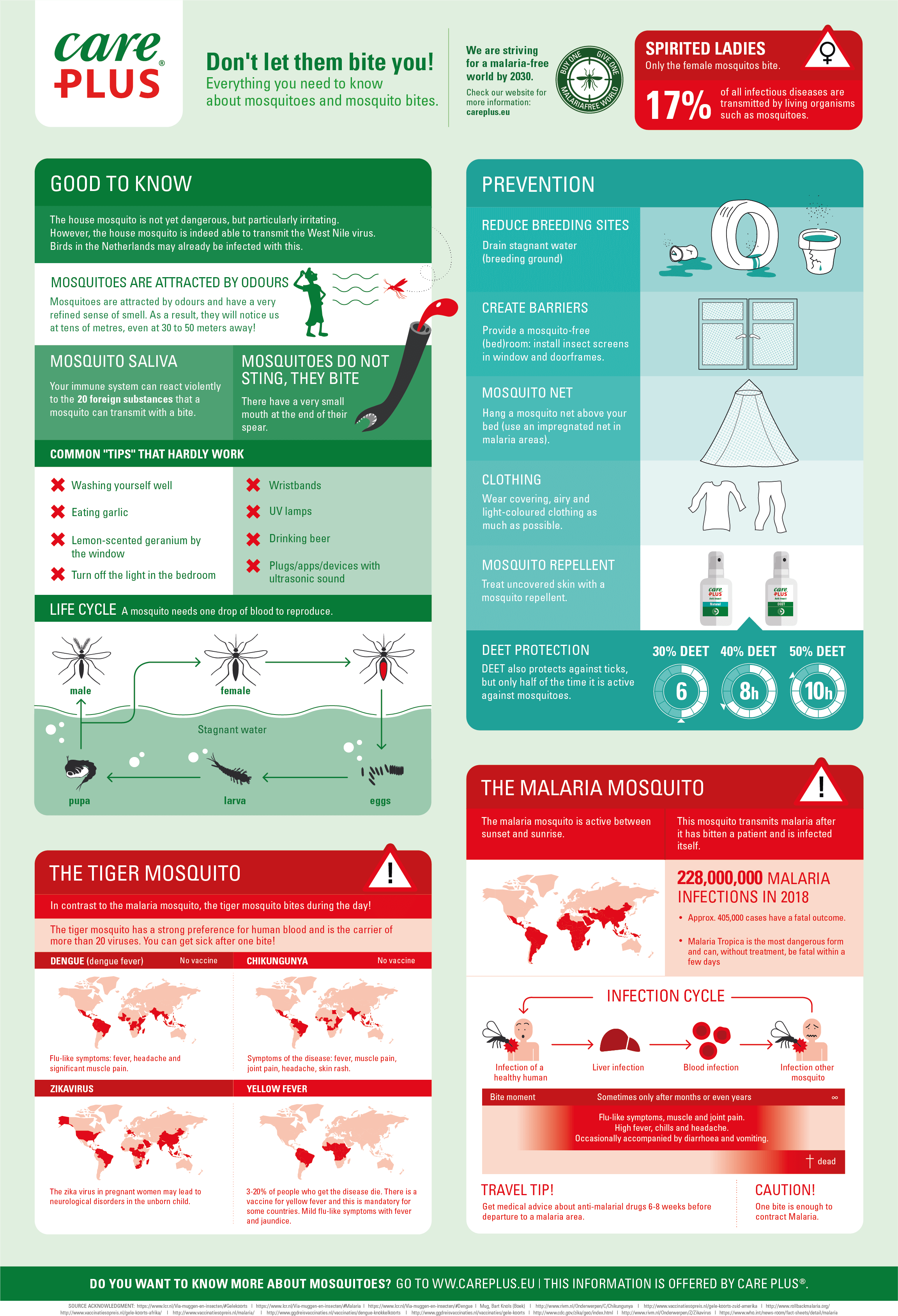
Infographic mosquitoes

Buy One, Give one

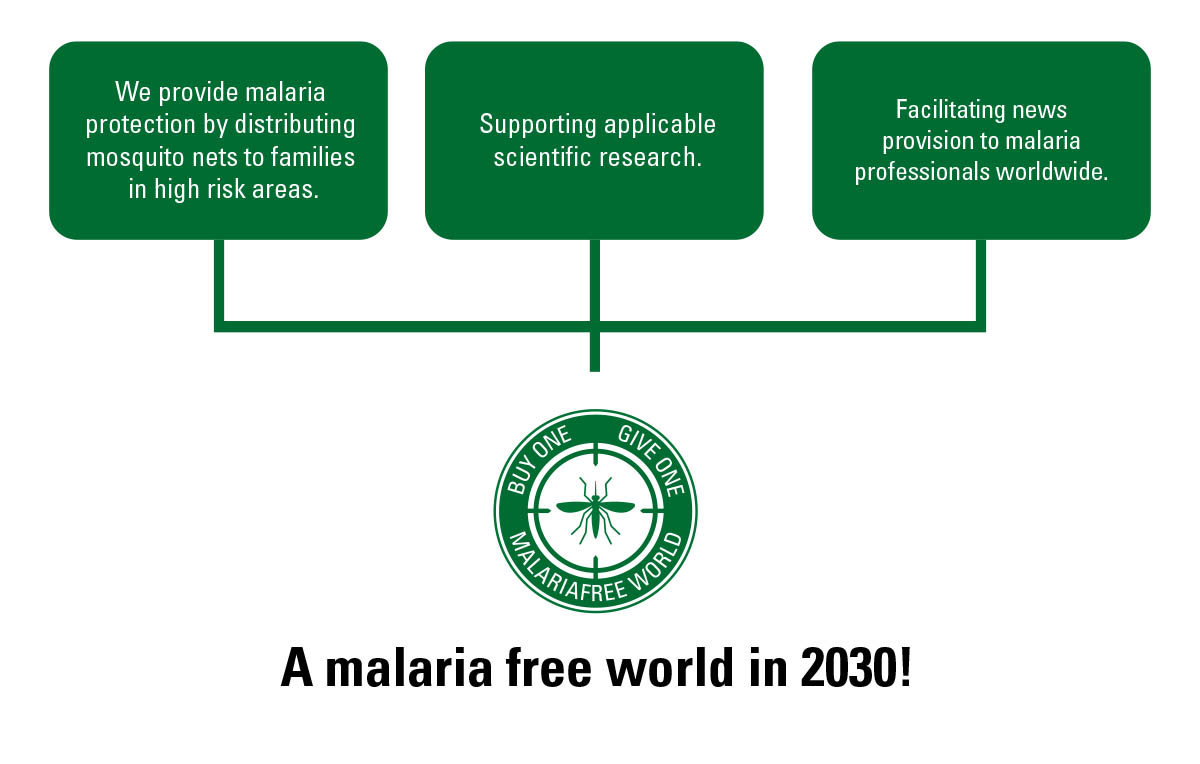
At Care Plus® we actively contribute to a malaria-free world in 2030. This is a very ambitious goal that drives our team and our partners. Malaria can be prevented and we are committed to that! Will you support us?

Read more about our fight against malaria and our Buy One, Give One programme at malariafree2030.org.

A malaria-free world in 2030

A malaria-free world in 2030

In 2020, the news was largely dominated by the COVID-19 virus. However, still little attention is being paid to malaria, while mortality rates are rising substantially. The mosquito is the deadliest animal on earth and therefore prevention against the malaria mosquito and against malaria is of great importance!

Increase in the number of deadly malaria victims

Malaria causes more than 228 million victims every year, including an increasing number of fatalities. While the mortality rate had dropped to around 405,000 in recent years, the corona virus has caused this figure to rise to a potential million*. These are mainly children under the age of 5.

* Source: World Health Organization

The influence of COVID-19 on (the fight against) malaria

The COVID-19 virus also has an effect on malaria and its prevention. People live more indoors, also in areas with a high malaria risk such as Africa. The malaria mosquito, which is active between sunset and sunrise, prefers dark spaces and now encounters more potential victims indoors.

Furthermore, the fight against malaria is affected by corona. Due to the strict measures, group gatherings are prohibited. This means that outreaches in which mosquito nets are distributed and information about malaria prevention is shared are hardly possible or not possible at all.
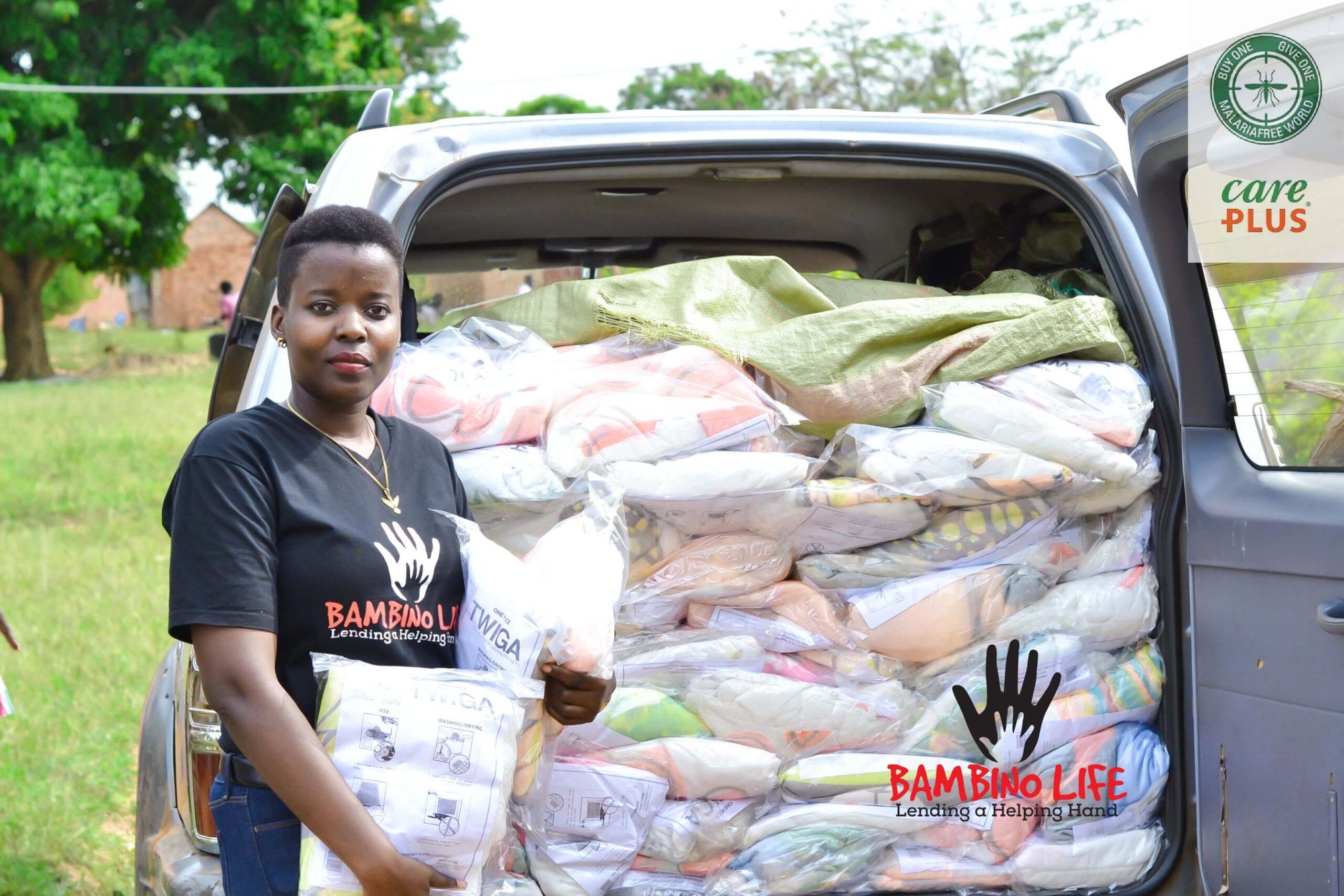
At the beginning of December 2020, Chief Mosquito Officer Arnoud Aalbersberg of Care Plus® discussed the effects of corona on malaria in Uganda with Ashaba Faridah of Bambino Life Foundation.

Care Plus® Buy One Give One program

Care Plus® aims for a malaria-free world. In specific terms, we do this with our Buy One, Give One campaign, in which 1% of our turnover goes to this higher goal of making the world malaria-free by 2030. Care Plus® is a company that highly depends on travelers. Borders were closed worldwide and planes remained on the ground. People were forced to stay home and postpone their holiday plans. Partly because of this, turnover was lower last year. This meant that there was also less to spend within the Buy One, Give One program.

Malaria-free world

More than 13,000 people are protected against malaria

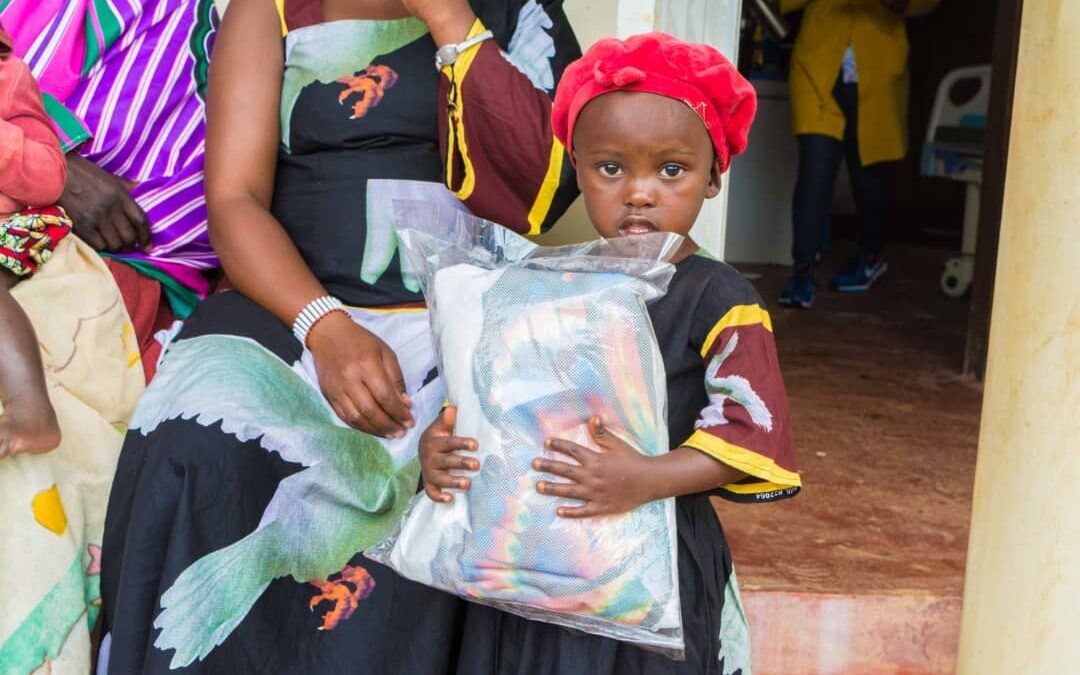
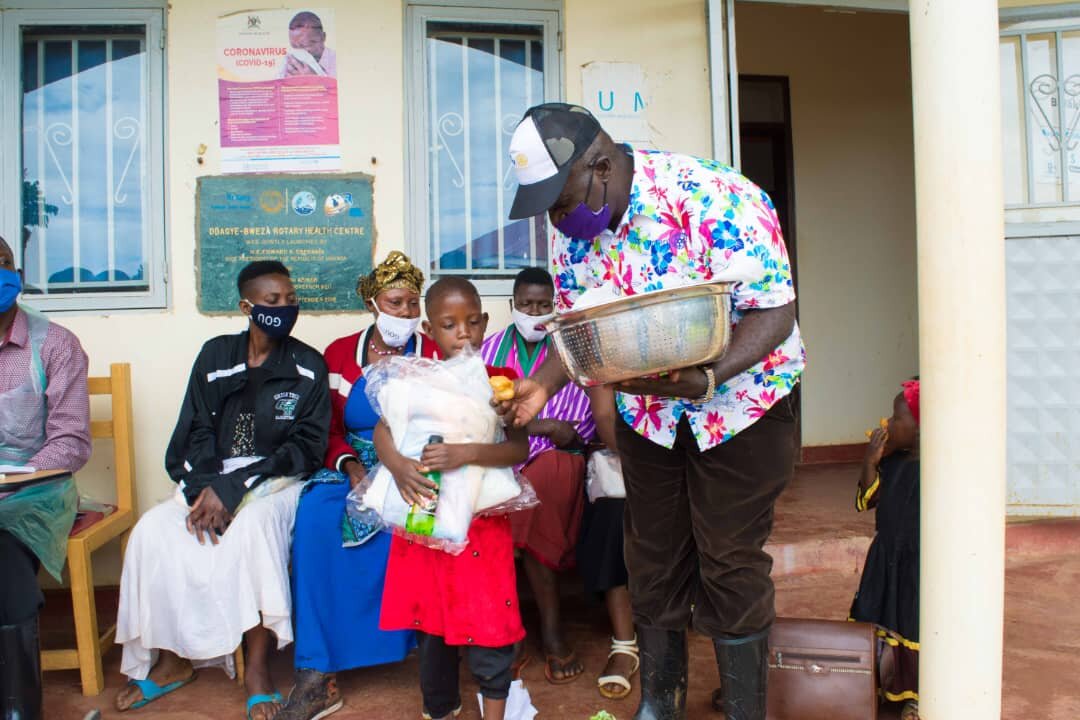
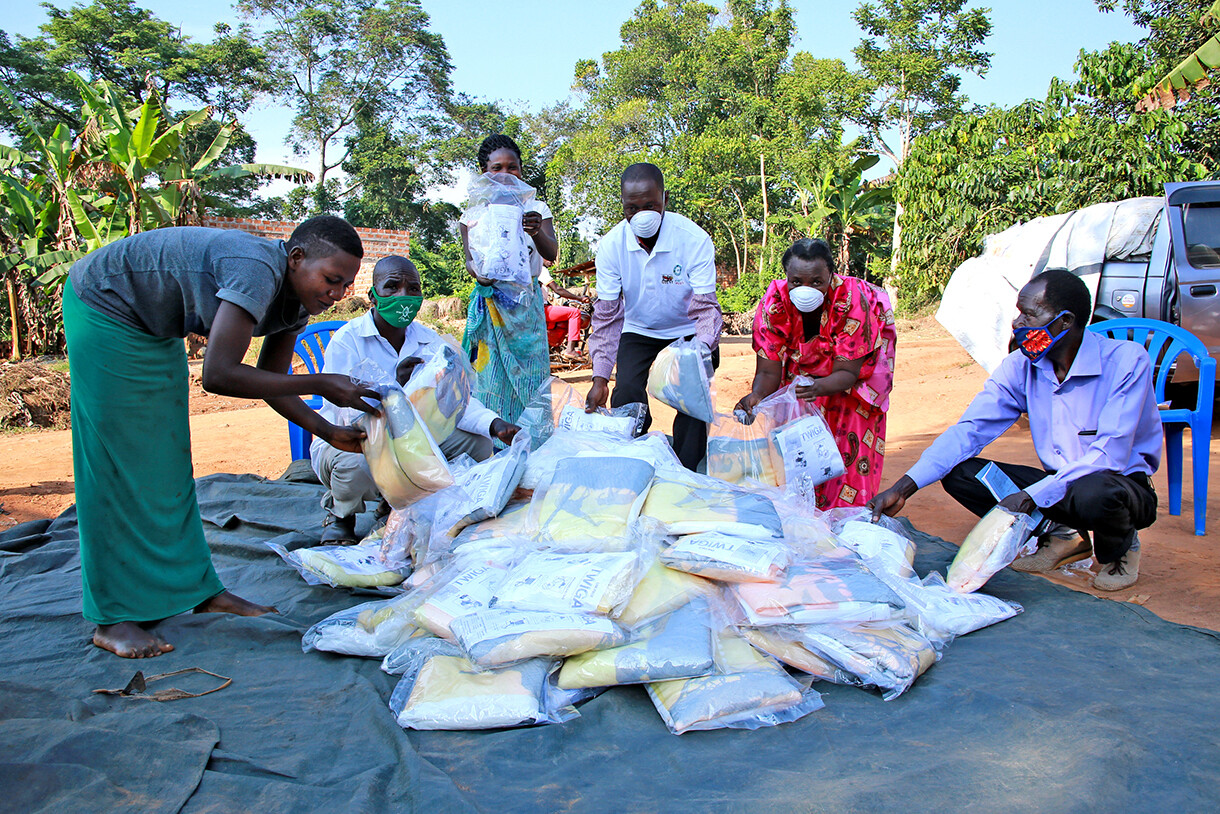
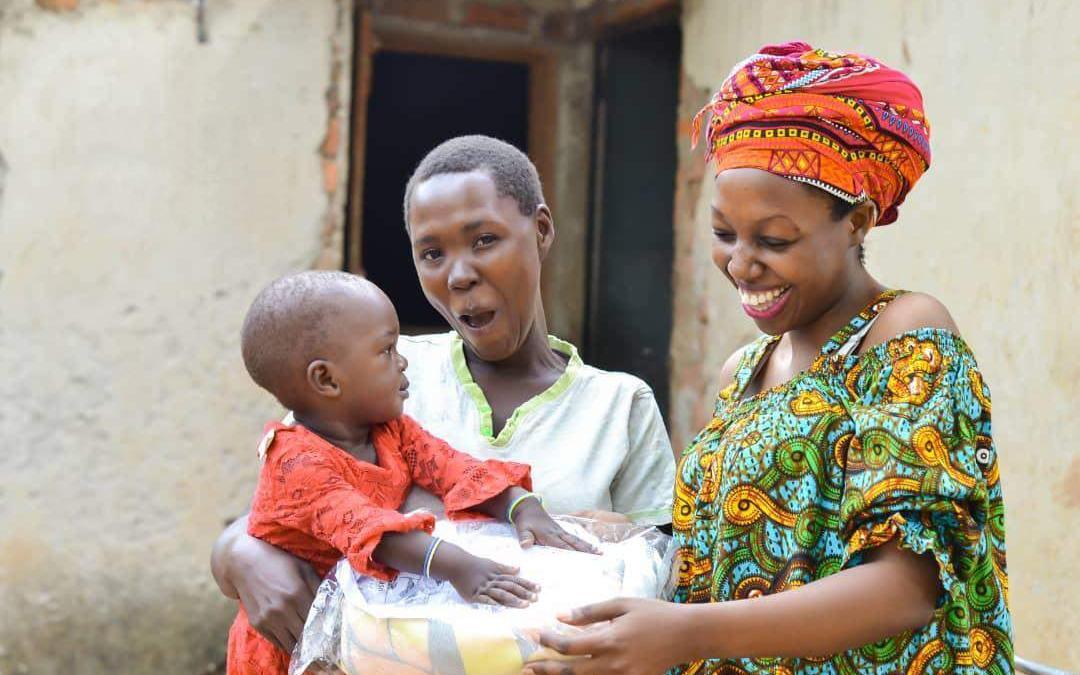
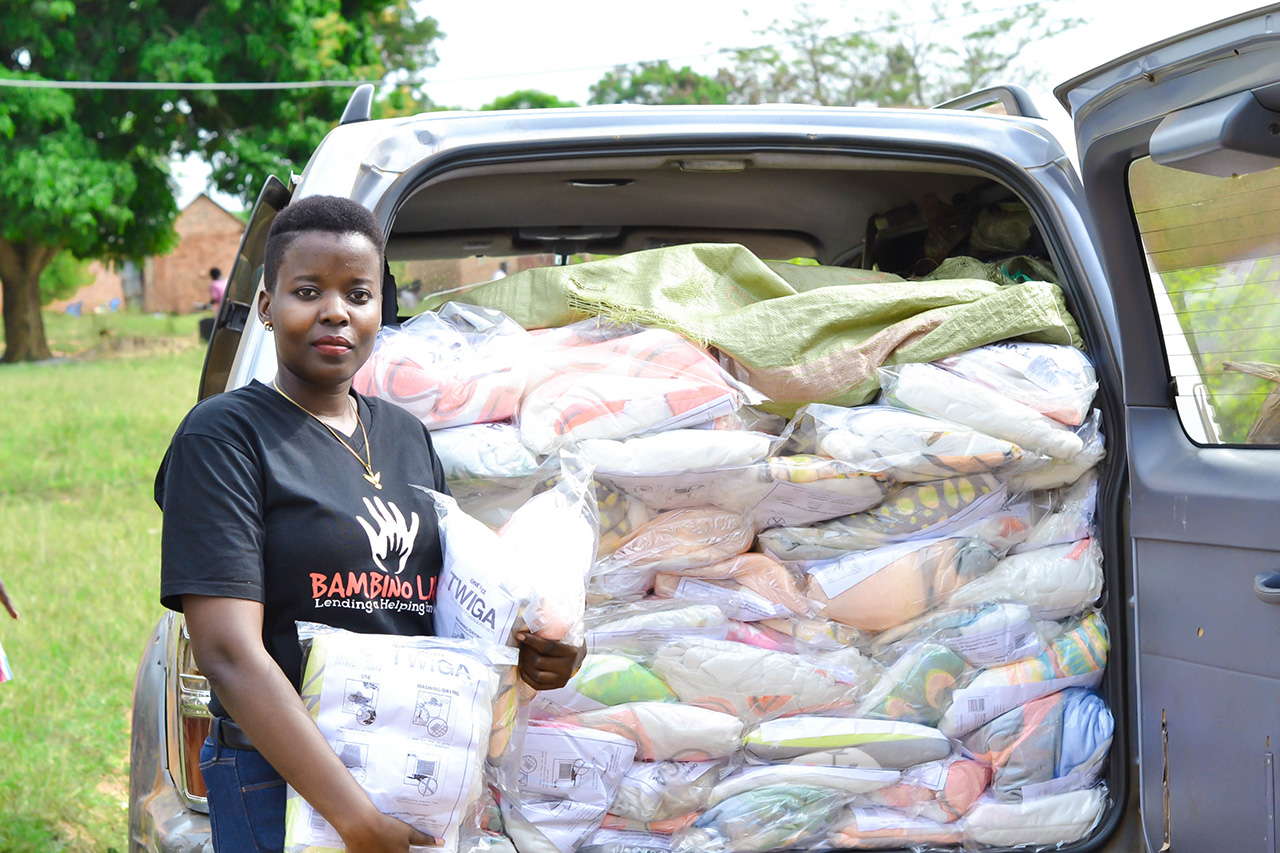
Despite the limited possibilities for outreaches, we succeeded in handing out 3,300 printed mosquito nets in 2020. This means that more than 13,000 people are protected against malaria.

Collaboration with partners in the fight against malaria

Care Plus® has achieved this great result together with itspartners. We work together with Bambino Life Foundation, the Coffee Quest and Twiga Ventures. Last year, collaborations with Rotary Stop Malaria Club Midden Betuwe-Valburg and Drive Against Malaria were also added to this list.

The fight continues

Of course, Care Plus® and its partners will continue fighting for a malaria-free world in 2021. We not only do this on World Malaria Day on April 25, but all year round!Read all about our fight.

The impact of COVID-19 on the fight against malaria

The impact of COVID-19 on the fight against malaria

At the start of December 2020, a digital interview between Arnoud Aalbersberg (Care Plus®) and Ashaba Faridah (Bambino Life Foundation) took place to discuss the effects of COVID-19 on malaria in Uganda.

Bambino Life Foundation

Ashaba Faridah is a Ugandan pilot who wants to make a difference in her community, so she founded Bambino Life Foundation. The Bambino Life Foundation promotes girl child education and empowerment and children welfare. The common goal of both the Bambino Life Foundation and Care Plus® is to protect people from malaria by education on malaria and malaria prevention. Bambino Life Foundation educates children on malaria and reaches out printed mosquito nets in rural areas provided by Care Plus®. COVID-19 has an impact on the goal to eradicate malaria and on the activities that the Bambino Life Foundation does.

strijd tegen malaria met het buy one give one programma van Care Plus

COVID-19 in Uganda

Uganda got ahead of COVID-19 before there were any cases. The president put the country under lockdown and closed the borders which resulted in a number of COVID-19 deaths below 40 in Uganda, but the strict lockdown measures affected the outreaches as well.

Double effect of COVID-19 on malaria; no outreaches and increased risk of malaria

Normally large groups of 500-600 girls gather together for an outreach, but the Ugandan government put a stop on large groups. Bambino Life Foundation was able to do only one small outreach since the start of the pandemic. To make outreaches possible again in the rural areas of Uganda, hand sanitizers and reusable face masks are needed.

Moreover, the risk of malaria increased as people stay inside their houses and mosquitoes prefer dark places like in houses. So, there’s a double negative COVID-19 effect on malaria.

Recent WHO insights on malaria

In the last 15 years malaria infections and deaths decreased by 50% to around 420.000, but the World Health Organization* (WHO) reported that the numbers are increasing again and are close to potentially 1 million malaria deaths again, so we’re basically back at the start.

* Source: World Health Organization

Malaria is deadlier than the COVID-19 pandemic

Malaria is a deathlier pandemic than COVID-19. Every minute, someone dies from malaria. Most people, especially in rural areas, cannot afford proper medical help once they have malaria. Although malaria makes more victims than COVID-19, the latter gets way more attention than malaria. Probably because malaria currently is not a global problem whereas COVID-19 is.

Uganda’s fight against malaria

The Ugandan government is doing its best in the continuous fight against malaria. In the past, they have distributed mosquito nets as well, but those mosquito nets are no longer up in the houses because of the low quality of the nets. Often, they are used as fishing nets.
The government can’t do the fight on its own, initiatives like the cooperation between Care Plus® and Bambino Life Foundation help in the fight. Especially since the provided nets are printed which make them super wanted by the local communities for their decoration.

Buy One, Give One program

Every buyer of Care Plus® product helps in the fight against malaria. The Buy One, Give One program makes sure that 1 percent of the turnover is used to make the world malaria free by 2030, for example by sponsoring printed nets to the Bambino Life Foundation in Uganda.

Privacy Overview

This website uses cookies so that we can provide you with the best user experience possible. Cookie information is stored in your browser and performs functions such as recognising you when you return to our website and helping our team to understand which sections of the website you find most interesting and useful.